


A Practical Kitchen Reset: Declutter, Reorganize and Review Your Spending
The kitchen is the heart of the home, but it's also one of the easiest places for clutter to pile up. Over time, counters become landing pads for unopened mail, cabinets fill up with unneeded gadgets, and pantries end up stocked with duplicate groceries. I mean, we've all been there, standing in the middle of a messy kitchen after a long day, feeling the weight of the room before we even touch a pan. A crowded kitchen creates a subtle, constant daily stress. Cooking feels like a chore when you've got to clear space just to chop a single carrot or dig through overcrowded drawers, listening to the clinking of plastic, just to find a matching lid.
Resetting your kitchen isn't just about cleaning up the physical space, though. Have you ever considered how your physical environment impacts your daily wallet? Honestly, it's a great opportunity to review your household habits and overall spending. When you bring order to your cooking space, you often spot hidden financial leaks, wasteful purchasing patterns, and real chances to simplify your day.
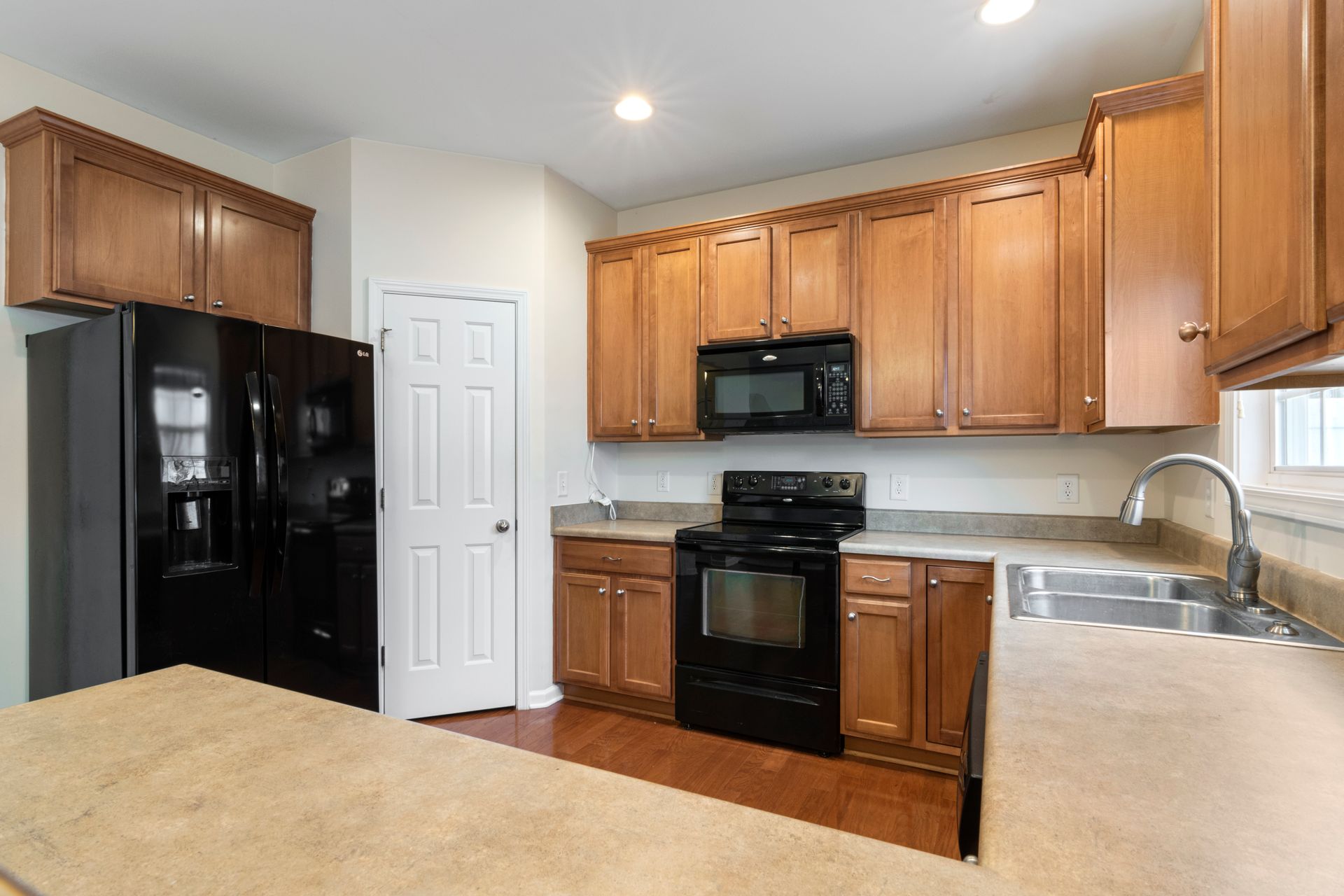
Clearing the Physical Space First
Before tackling finances or meal planning, start with the physical environment. A deep decluttering session gives you a blank canvas and immediately lightens that mental load.
Begin by sorting through your countertops. Clear away everything except the items you use every single day. Things like coffee makers or toaster ovens can stay if they are used daily. But specialized appliances like ice cream makers or oversized blenders should be stored away in cabinets or let go entirely.
So, move to cabinet storage next.
Take items out section by section rather than emptying everything at once. Group similar items together: baking supplies, everyday dishes, pots, pans, and food storage containers. Be honest about what you actually use. I guess we all hold onto things out of guilt, but if you've got three identical spatulas or a stack of plastic containers missing their lids, set them aside for donation or recycling.
Organizing the pantry is just as important. Group canned goods, grains, spices, and snacks into dedicated zones. You know, when everything has a designated spot, you can instantly see what you've got on hand. What if you could eliminate half of your monthly grocery waste just by knowing what is in the back of your pantry?
Connecting Kitchen Organization to Household Spending
Once the physical clutter is out of the way, the financial benefits of an organized kitchen start showing up. Clutter often directly leads to overspending in quiet ways.
When pantries are messy, food gets pushed to the back and expires before you can use it. That means wasted groceries and wasted money. I used to pull out dusty, half-empty bags of specialty flour from two years ago, feeling that small sting of wasted cash. By creating a clear, visible inventory, you can plan meals around ingredients you already own. Meal planning gets so much simpler when you know exactly what's sitting in your cupboards.
And that's where habits start to shift.
A clean, inviting kitchen changes your cooking habits, too. A lot of people order takeout simply because the idea of cooking in a chaotic kitchen feels overwhelming. How often do you order food simply because the sink is full of dishes? When counters are clear and tools are easy to grab, preparing dinner at home feels less like a burden and more like a relaxing evening routine, accompanied by the quiet simmer of a pot on the stove instead of a delivery app notification. Cutting back on frequent restaurant orders or delivery apps can free up significant cash in your monthly budget. And that's the point.
Evaluating the Broader Financial Picture
Taking stock of kitchen expenses often opens up a broader conversation about household cash flow. As you look for ways to streamline your monthly grocery bill and cooking habits, it makes sense to evaluate other regular household costs as well.
Fixed monthly obligations, high-interest debt, and scattered monthly payments can create financial fatigue just like a cluttered countertop creates visual fatigue. Taking a structured approach to your finances helps lower stress and creates real room for long-term planning.

For instance, managing multiple monthly debt payments can feel overwhelming and disorganized. Bringing those obligations together under one structured plan helps simplify your routine. A loan consolidation calculator lets you see how combining high-interest balances into a single, predictable monthly payment can lower your overall costs and streamline your budget.
It all comes down to organization.
Just as grouping pantry items makes meal prep manageable, consolidating financial obligations brings clarity and control back to your monthly finances.
Creating Sustainable Daily Habits
A complete kitchen reset only works if you establish small habits to maintain the space over time. You don't need an elaborate routine to keep things organized.
Implement a daily evening reset. Spending ten minutes wiping down counters, running the dishwasher, and clearing away stray items before bed ensures you start every morning with a clean slate. Maybe you light a candle or turn off the overhead lights, keeping just the stove light on.
Before heading to the store, do a quick two-minute inventory check. Check the fridge and pantry to confirm what you actually need before writing your list. Sticking to a planned grocery list protects your wallet and prevents food waste.
Finally, review your household budget regularly. So, set aside time each month, perhaps sitting at a clean kitchen table with a hot cup of coffee, to check progress on financial goals, review spending, and adjust as your needs change.
A Fresh Start at Home
Decluttering your kitchen and reviewing your spending are two sides of the same coin. Both actions are about removing unnecessary noise, reducing daily stress, and regaining control over your home environment.
By taking small, deliberate steps to organize your space and evaluate your monthly habits, you build a solid foundation for a calmer, more intentional home life.