


Could Asking A.I. for Dinner Ideas Change the Way Food Brands Advertise?
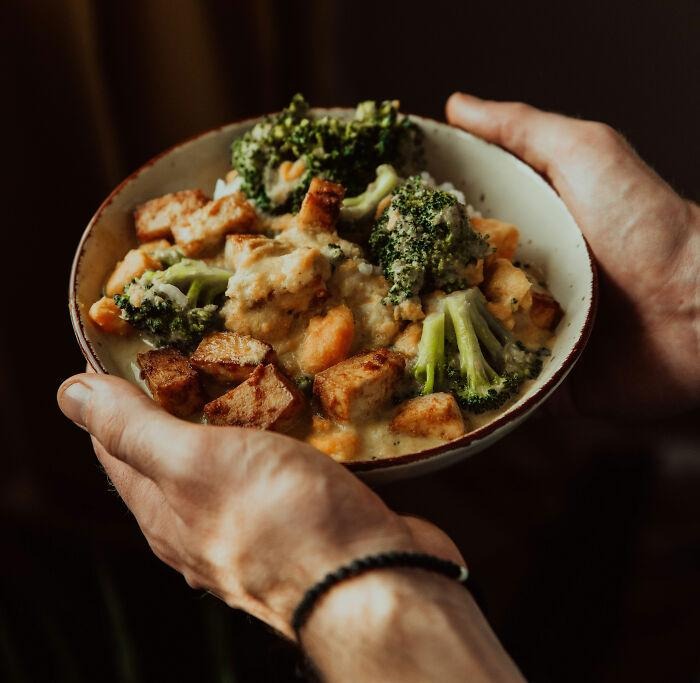
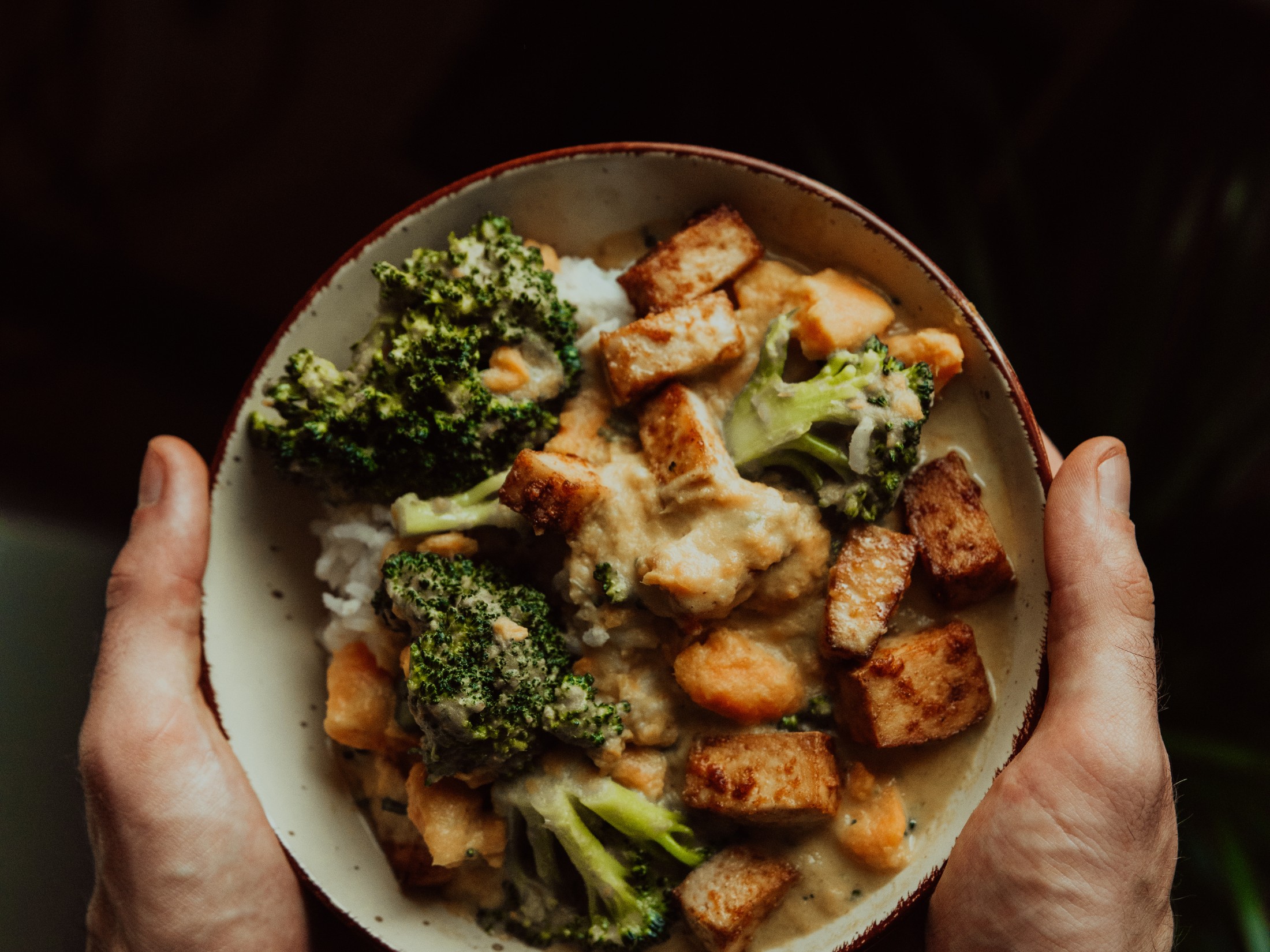
Consider the last time you came up with no idea on dinner. Perhaps you looked into your phone for a quick pasta recipe, reached out to a friend for suggestions and even scanned a food blog for something new. Now imagine asking AI rather. Simply put, I have chicken, potatoes and some vegetables. So, what do I make tonight? In under a minute, you could be presented with a number of possible meal options!
This shift in consumer’s approach to seeking out food inspiration may also alter the approach of food brands in their advertising. Brands have never had an opportunity to reach people in ways other than on social media and search engines, but perhaps now that's about to change when people are asking questions, planning meals, and searching for recipes.
Food acquisition approach of people
Not everyone is aware of what they're looking for to eat. At times, they're eating out for a simple meal on a weekday, at other times they are seeking a fresh experience on a weekend. They may have gone to a number of websites before they got a recipe they liked. Today, with the aid of AI, they can now discuss concepts without having to use a computer.
For instance, a person could request a healthy lunch, a family meal or a dessert that doesn't need many ingredients. Food brands have a new chance to learn what people care about, with the above questions. It's no longer only about giving one another a picture of a merchandise. It's all about when they're already thinking about food to reach them.
Why is AI Advertising relevant to food brands?
Hunger has always been a part of food advertising. Just a good food photo, simple recipe or cooking tip can make someone want to try something new. What about when advertising is a part of a conversation?
At the moment, food brands could potentially find new ways to associate their products to relevant queries and interests with the help of ChatGPT advertising. For instance, if a person is seeking information on a barbecue for the weekend, he or she could be interested in sauces and marinades, snacks, or drinks. One of these products could be relevant to that conversation for a brand that offers one of these products.
This might enable ads to be more helpful rather than like an unrelated promotion. After all, people are more apt to pay attention to what is relevant to them, and what they need.

Recipes can be a new avenue to customers!
Recipes already are a natural way for food brands to reach the people. For instance, if you are looking for a creamy pasta recipe, you might want to consider fresh vegetables, cooking cream, spices, or perhaps even cheeses. Likewise, an individual seeking quick breakfast ideas may wish to look for the cereals, yogurt or baking products.
Food websites like Foodness Gracious demonstrate how recipes can help people to experiment by trying out different dishes at home. If the reader finds a recipe he or she enjoys, he or she might also want to know what ingredients and kitchen utensils are used in the recipe.
AI could further enhance these connections by providing personalized recommendations for meal planning using one's food preferences, the ingredients one has on hand, and the time constraints. This provides additional opportunities for brands to be a part of everyday cooking decisions.
Making food advertising more personal
People have different preferences in food. There are those who enjoy spicy food and others who prefer simple, homemade food. There are those who prefer having quick recipes as they have busy schedules and others who like to spend more time experimenting in the kitchen.
This is where custom-made marketing may come in handy. Relying not just on generic promotions, ChatGPT advertising can assist brands in reaching people that are interested in the topics and requirements they demonstrate.
For instance, one who is seeking dinner ideas that are vegetarian could find it more applicable than a meat promotion. A party planner might want to focus on cake mixes, desserts and party snacks. If the message is congruent, it will be more likely to be attended.
What food brands should keep in mind
While AI offers promising opportunities, brands must remain mindful of the importance of transparency and authenticity in their food products. Advertising is a key component of a marketing mix but without a product to match the customer expectations it is not enough. Brands need to be clear, have food images which are appealing but accurate, and must not make claims which cannot be substantiated.
They should also be aware that individuals use AI to get assistance due to their need for helpful responses. Whenever you have a conversation that feels like a sales pitch, you could lose the engagement of your customer. The more effective way is to be relevant, helpful and not remove the fun and discovery of eating.
Final thoughts
The seemingly innocuous act of requesting a recommendation for dinner with AI could impact people's recipe discovery and food product and ingredient selection. It provides an opportunity to brands to engage customers at the right moment in a new way.
Food businesses may have a new opportunity to reach people through Chatgpt advertising that engages them in their daily lives. The real opportunity is not simply to show more ads, but to make those ads feel useful, timely, and connected to what people love most: good food.