

.jpeg)

Everyday Tips for Buying Wine for Family Dinners and Special Occasions
Many people first plan to buy one bottle of wine for an everyday meal. Then they stand in front of the store shelves, and the whole thing suddenly stops feeling simple. Different regions, grape varieties, vintages, labels and wildly different price tags start pulling their attention in every direction. This choice overload does not make dinner better. It mostly creates unnecessary hassle.
Many people also get stuck inside rigid food-and-wine pairing rules, which only makes the choice feel more confusing. The better approach is much more practical: wine selection should match the actual meal, the occasion and the people eating together, not some old rule that does not fit the table in front of you.
The wine needs of three common situations are completely different. A casual home pasta dinner, a birthday party with friends and a small gathering where more than half the guests prefer white wine should not all lead to the same bottle. A useful wine selection process works backward from the food itself. First, identify the meal: light, rich and creamy, spicy, grilled or smoky, salty, or built around tomato sauce. Then narrow the wine options from there.
When hosting guests, there is one obvious pitfall to avoid: do not lecture people about vineyard backgrounds, production details or wine critic scores. Wine is there to complement the food, not to overshadow the real purpose of the meal.
The core logic is simple. Start from the day’s menu and choose a wine that balances the flavors of the dishes being served. A reliable shop can also make it easier to buy wine for regular use: one everyday option, one dependable weekday bottle and one moderately priced premium choice for celebrations.
Virginia Tech’s food-and-wine pairing notes also support this practical approach. They help explain why acidity, body and flavor all matter. Serving temperature matters too. Even a high-quality bottle can lose its appeal if it is served too cold or close to body temperature. Once these basic pairing principles become easier to use, choosing wine feels much less stressful for ordinary consumers.
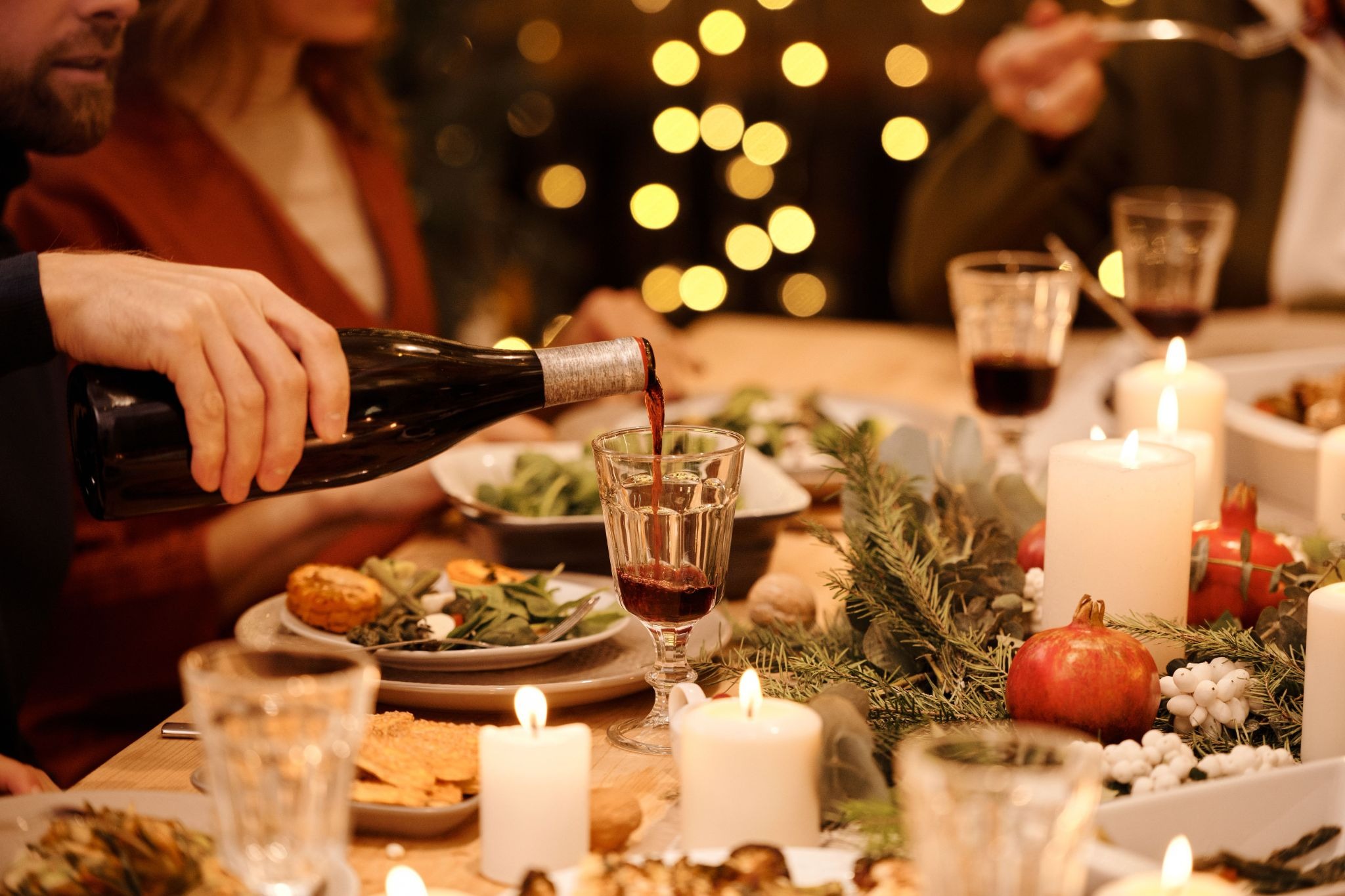
Start With the Food, Not the Label
Forget about the label for a moment. Set aside the country, the grape variety, the price, and consider the single simplest question there is: what are you eating tonight? That by itself untangles most of the confusion.
Tomato-based pasta calls for a wine with freshness. The sauce already supplies its own lively acidity. Something crisp and white slices right through a creamy pasta’s richness, though a gentler red can work just as well, provided it does not land on the dish like a heavy blanket.
Roast chicken rarely puts up much of a fight. Grilled beef or lamb, however, can handle a red with more heft and depth. Fish, salads and lighter vegetable plates lean toward wines with genuine lift and energy.
Nobody expects a head full of every grape known to humankind. So simply name what is on the plate: light, rich, spicy, creamy, salty or grilled. When that clear picture locks into place, picking a smart wine path becomes far simpler.
Keep a Few Safe Styles in Mind
Tuesday wines never ask for a ceremony. They are the quiet bottles you reach for over and over, pulled out when dinner gets cobbled together instead of carefully arranged like some event.
A dry white pulls a salad into sharp relief and slides in beside seafood, grilled vegetables or a humble plate of pasta without missing a beat. Dry rosé works a little more cunningly, bridging those awkward little plates nobody planned properly until it was too late. It settles in with chicken, charcuterie and whatever random bites turn up on the counter.
With reds, Merlot holds a gentle shape. Meals drift along softly, no rush and all comfort. Pinot Noir heads toward lighter things: bowls of earthy mushrooms, golden roast chicken, thick cuts of salmon laid across a platter. Cabernet Sauvignon grabs harder and goes where Merlot most often cannot, stepping right up to a heavy ribeye, slices of lamb or blocks of aged cheese whose gravity would nudge lighter wines aside with hardly a second thought.
Sparkling wine quietly claims its place without fuss. Crack the bottle open casually, and salty snacks suddenly feel sharper, cleaner and easier to keep eating. Crisp and easy, it stays with those first rounds of crackers, olives and little pickled bites while the evening figures out what to do next.
A Simple Pairing Table for Real Dinners
You can use the table below as a cheat sheet. Family dinners do not need strict rules, of course, but a little help never hurts.

It is mostly about balance. A heavy wine can crush a delicate dish, while a very light wine can get lost beside grilled meat. Match the wine’s intensity to the food, and the pairing is already halfway there.
Buying Wine for Everyday Family Dinners
A Tuesday bottle ought to fade comfortably into the evening, asking for nothing more than to fill a glass while dinner rolls along uninterrupted. It has to behave itself and stay balanced. Whatever you pulled together should never get drowned out by the wine.
When you are hunting for a weeknight pour, lean toward bottles that can swing across wildly different plates and still feel right at home. A red with some body will hold its own against pasta, roast chicken, burgers or simple grilled cuts without trying too hard. Dry whites move cleanly from fish to salads, into rice dishes and vegetable-heavy plates, tripping up maybe once, if ever. Dry rosé slips in as if it belonged, especially when supper looks more like a collection of whatever happens to be in the fridge.
What fits at your place is probably something pretty modest, like a compact, sensible wine rack built for actual cooking nights:
- one bright white that hits clean and crisp, tailor-made for lighter evening fare
- one relaxed red that chills next to pasta, takes roast chicken in stride and handles your usual meat-focused dinners without a single complaint
- one dry rosé set aside for those balmier nights when dinner is just mixed odds and ends and no single flavor wants to rule the plate
- one bottle of sparkling hidden away for the unplanned knock on the door, salty snacks you remember are there, or some low-key happy surprise nobody put on the calendar
That trimmed-back foursome carries family meals along all week and avoids jamming up the kitchen with forlorn bottles nobody plans on opening.

Choosing Wine for Special Occasions
Every special occasion carries its own distinct energy and rhythm. When you look past the surface, the formula hardly changes. You might decide to spend a little more on a fine bottle. But it still needs to sit right with the food and fit the mood that fills the room.
Birthday dinners, anniversary celebrations, those big boisterous family meals all move to the same quiet beat. Reach for a dependable bottle nobody around the table would question, the kind of wine that softens the edges and makes everyone settle in comfortably. Then bring out a second selection meant to spark a little curiosity.
That offbeat second pour could be an age-worthy Champagne, a squarely structured red from Bordeaux or Tuscany, or some eccentric local bottle none of the guests have ever pulled a cork on before.
When dishes arrive in successive courses, the wine progression ought to track right alongside. Let it begin gently, with some fizz or a bracing white to welcome those first few mouthfuls. Then let richer weight settle in alongside the main event, with Cabernet or some other burly red squaring up to steak, roasted lamb or long-cooked beef.
How Much Wine to Buy
A standard 750 ml bottle fills about five glasses. Four adults each getting one pour and calling it done works fine.
But dinners do not follow that kind of timeline. They stretch out, course by course, and an evening rarely wraps in under an hour. Suddenly a second pour lands right around the point when relaxed conversation kicks in. A third appears not long after. The guest-math starts changing somewhere between plates. Walking with the actual rhythm of the table saves you from staring, stunned, at an empty bottle.
For a small family dinner, grabbing two bottles is a cleaner call. If nobody much cares what goes in the glass, just put a red and a white into play. At gatherings a bit louder, pop a sparkler early so the whole room has some lift from the opening minute.
Pro Tip: Better to finish the meal with one bottle untouched and saved for next Sunday than end up scrounging a sad, stingy last pour down a half-empty table.
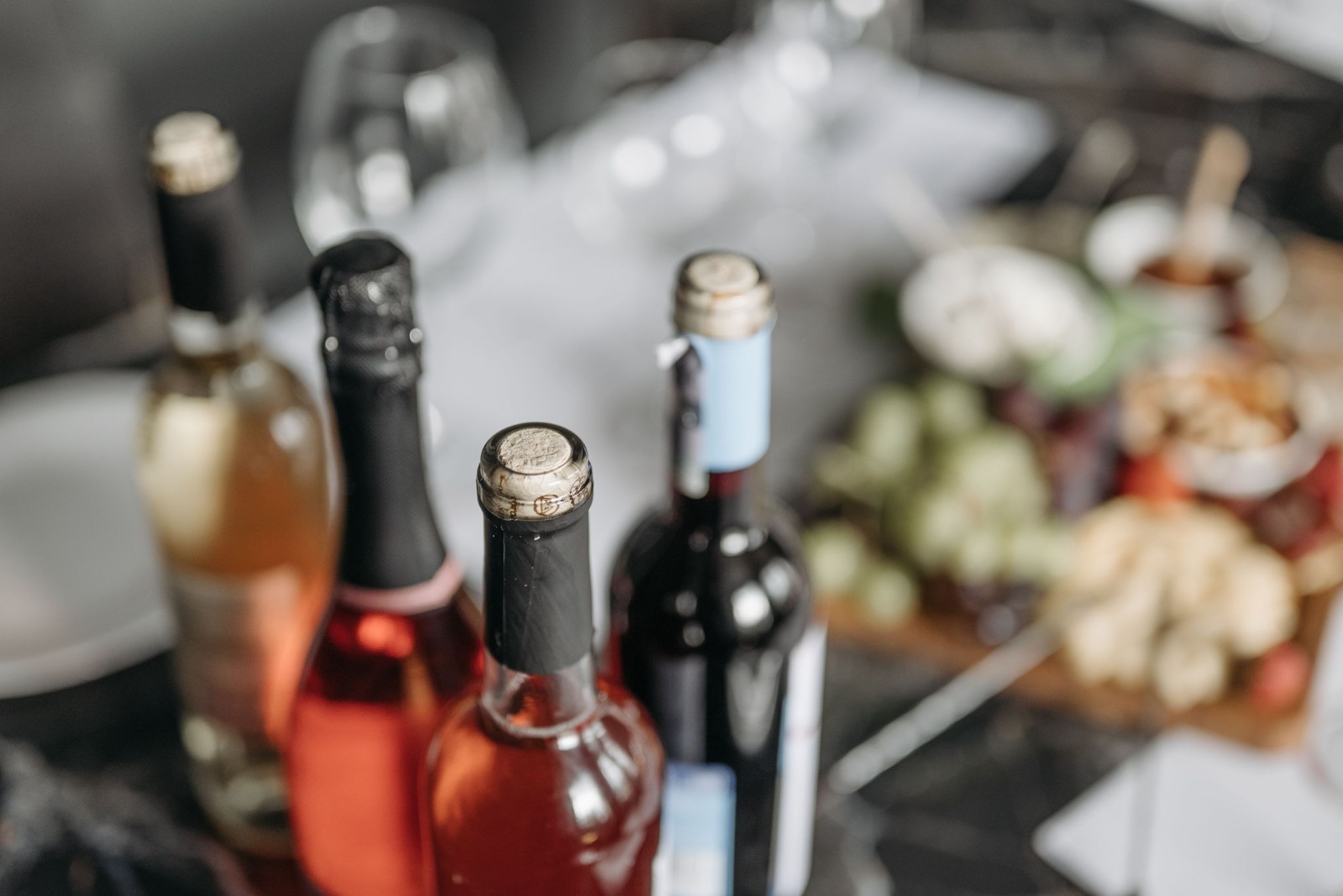
Serving Wine Without Making It Weird
A dependable corkscrew, clean glasses and some thought given to temperature will see you through almost any bottle. Fancy gear does not matter for a regular family dinner. Stick to what is simple.
White wine likes things cool but should never end up ice cold. Chill it down too hard, and the aroma disappears. That is really the whole point. Heat proves just as rough on red wine, particularly the sort of warmth that builds up fast in a crowded kitchen. A short stint in a cooler spot often wakes lighter reds right up.
Decanting just means pouring the wine into a carafe or decanter, nothing trickier than that. Young reds generally gain the most from it. For an everyday family meal, though, you only need to open the bottle and let it rest quietly in the glass for a few minutes.
A Bottle That Fits the Table
And that really is the whole picture. Picking a bottle should never feel stressful. Start with whatever food happens to be on the table, think about the people who will be sitting around it, and always keep a couple of trusted bottles somewhere nearby.
Sparkling wine truly shines when a meal could use a little lift, a spark of energy to carry things along. For quieter family dinners, a more gentle bottle usually fits the mood better. Some other sort of evening might ask for a wine with real personality, the kind that brings a bit of flair when nobody minds a little flair at all.
The only measure that matters is whether the bottle plays its quiet supporting role without the slightest fuss. It needs to sit naturally with the dishes, relax right into the company and add a gentle richness to the whole meal.