


How to Cook and Bake With an Oat Beverage
Oat beverages have earned a permanent spot in many fridges, often thanks to morning coffee or a bowl of cereal. Fewer people think to pour them into a saucepan or a cake batter, yet they handle both jobs well once you understand a few quirks. Oats bring a gentle sweetness and a soft body that thickens with heat. That makes the carton more versatile than it looks. Here is how to get reliable results, whether you are making a weeknight soup or a weekend loaf.
Why Oats Work So Well in the Kitchen
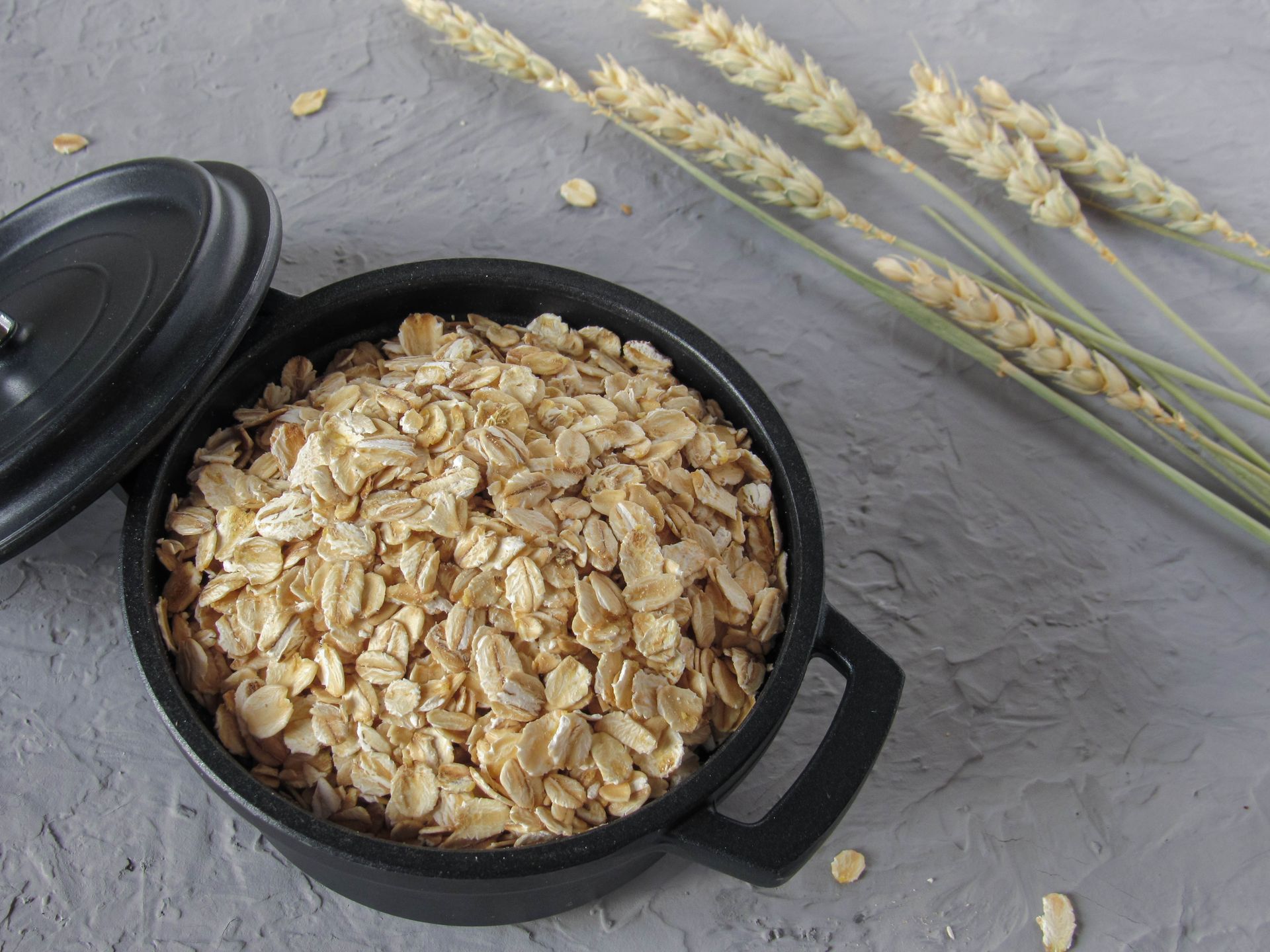
Oats contain starch and soluble fibre, which explains why the liquid thickens slightly when it warms up. For home cooks, this means an oat beverage can give a sauce or a batter more body than water or broth alone. The flavour is mild and lightly sweet, so it sits comfortably in porridge, muffins and pancakes. It also pairs well with savoury ingredients like mushrooms, leeks and mustard. Start with a plain, unsweetened version whenever you cook, since it gives you full control over seasoning.
Choosing the Right Carton for Your Recipe
Not every carton suits every dish. Flavoured versions, such as vanilla, work nicely in pancakes or bread pudding, but they can clash with garlic and onions. For everyday cooking, I keep a plain oat beverage from Silk in the fridge, because it handles both a quick béchamel and a batch of banana bread. Check the ingredient list for added sugar and oil, which change how the liquid browns and thickens. Shake the carton well before measuring, since some of the oat solids settle at the bottom.
Cooking Savoury Dishes With an Oat Beverage
In savoury cooking, an oat beverage works best in recipes that call for gentle heat. Use it for a roux-based sauce, a pot of mashed potatoes or a chowder made with corn and potatoes. Add it gradually and stir often, because the starches can catch on the bottom of the pan. Keep the heat at a simmer rather than a hard boil. Season a little more than usual, since the mild sweetness of oats softens salt and acidity in the finished dish.
Making a Smooth Sauce Without Lumps
For a white sauce, melt butter or olive oil, whisk in the flour and cook it for a minute. Warm the oat beverage separately, then pour it in a little at a time while whisking. Warm liquid blends with the roux faster and reduces the risk of lumps. Once the sauce coats the back of a spoon, add nutmeg, salt and pepper. It works well over pasta, roasted cauliflower or a tray of baked vegetables.
Soups, Curries and Other One-Pot Meals
Blended soups are one of the easiest places to start. Stir an oat beverage into puréed squash, carrot or potato soup at the end of cooking for a smoother texture. In curries, it can stand in for part of the coconut liquid when you want a lighter base. Add it after the spices have bloomed and the vegetables are tender. Avoid mixing it with very acidic ingredients like tomatoes over high heat, since the liquid may separate. Lower the heat and stir, and it usually comes back together.
Baking Basics: Muffins, Pancakes and Quick Breads
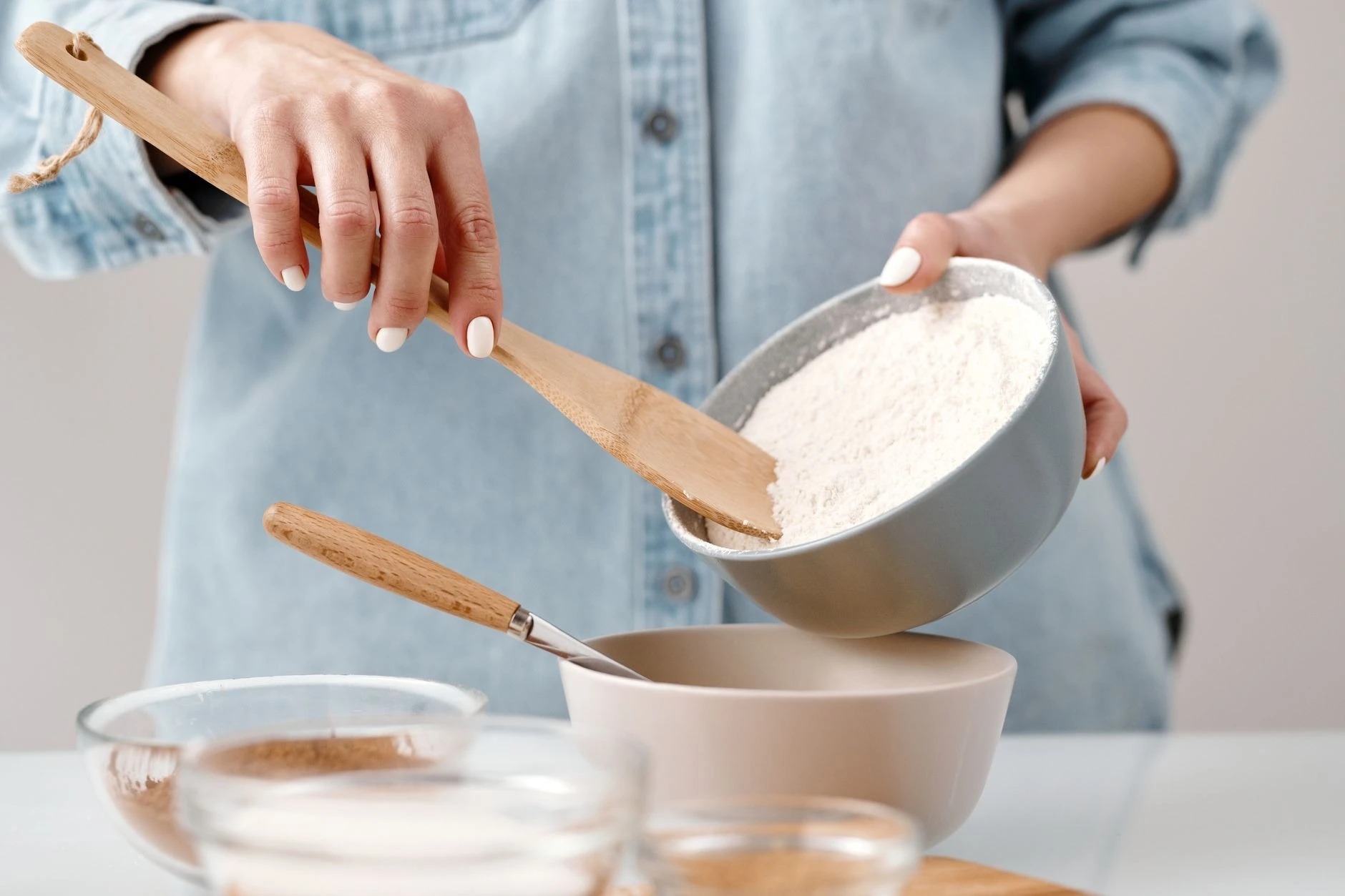
In most baking recipes, you can replace the liquid with an oat beverage at a one-to-one ratio. Muffins and quick breads come out soft and slightly more tender, while pancakes brown a little faster thanks to the oat sugars. Keep an eye on the pan and lower the heat if the outside darkens before the centre sets. For a tangy batter, stir one tablespoon of lemon juice into one cup of the beverage and let it rest for five minutes before mixing.
Cakes, Custards and Desserts
For cakes, an oat beverage gives a fine, moist crumb, especially in chocolate, spice and carrot recipes where its sweetness blends in. Custards and puddings need a bit more care. Use cornstarch rather than relying on eggs alone, and cook the mixture until it bubbles gently to activate the starch. Rice pudding is another good option, since the oats and rice thicken together on the stove. Taste before adding the full amount of sugar listed, because the beverage already brings some sweetness.
Storage and Practical Tips
Once opened, keep the carton in the fridge and use it within the time printed on the package. Give it a good shake each time you pour. If a recipe only needs half a cup, freeze the rest in ice cube trays and drop a few cubes into soups or smoothies later. Label the tray with the date. With a few habits like these, one carton can cover breakfast, dinner and dessert without waste.