


How to Create a Light and Airy Open Concept Kitchen You'll Actually Want to Cook In
An open concept kitchen sounds like a dream until it starts feeling cluttered, dim, or oddly disconnected from the rest of the house. The good news is that a bright, breathable kitchen isn't about tearing down every wall. It's about making smart choices with color, light, and layout so the space feels calm instead of chaotic.
Homeowners often assume airy kitchens require a huge budget or a full renovation. That isn't true. Small, intentional changes can transform a cramped or heavy feeling kitchen into one that invites cooking, gathering, and lingering over coffee in the morning.
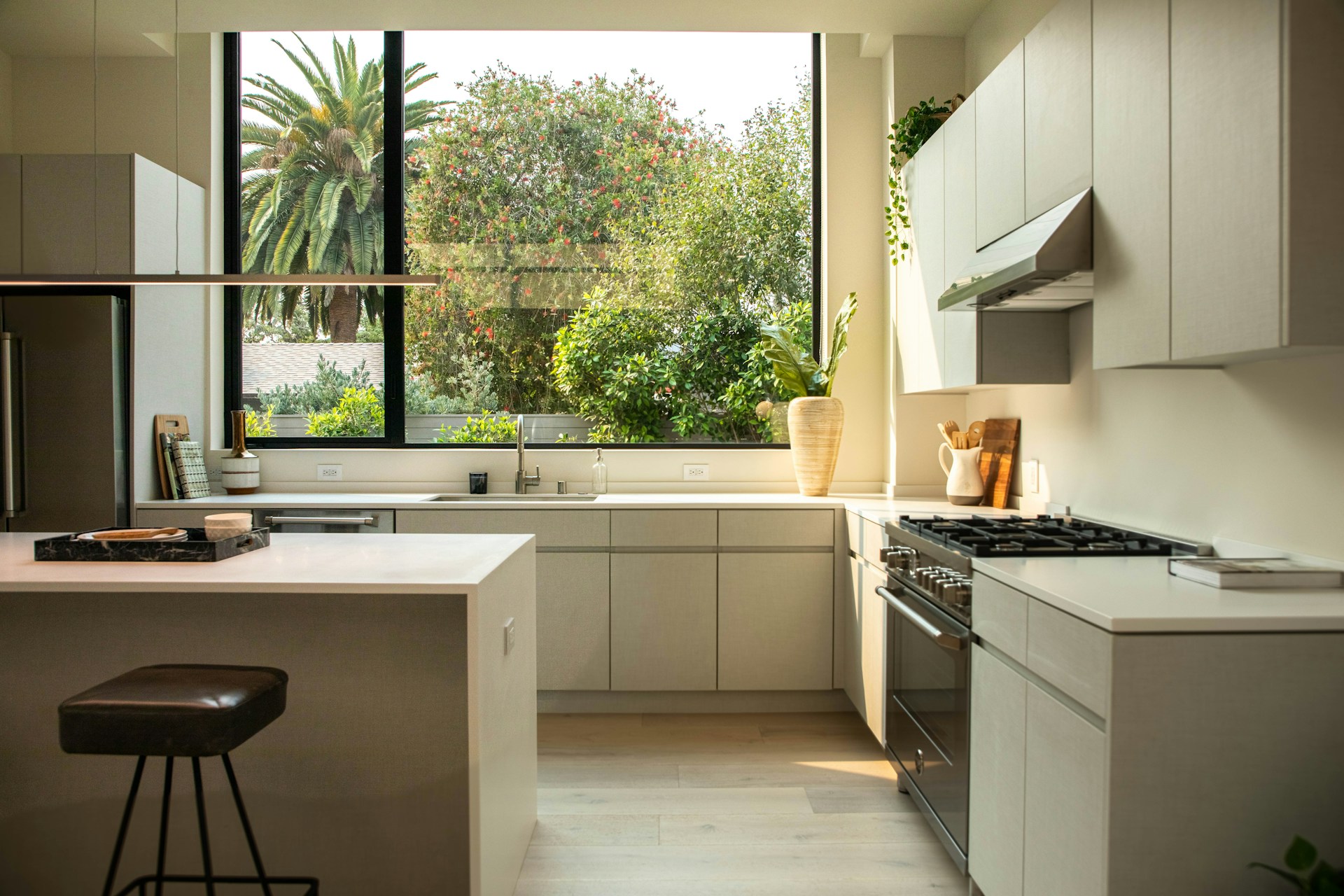
Start With a Lighter Color Palette
Color sets the tone before anything else in the room does. Soft whites, warm creams, and pale greiges reflect natural light instead of absorbing it, which instantly makes a kitchen feel more spacious and welcoming.
If stark white feels too clinical, try warmer neutrals like oat, sand, or a whisper of sage. These shades still bounce light around the room while adding a touch of personality that keeps the space from feeling sterile or cold.
Cabinets are a great place to start if you're not ready to repaint every wall. Swapping dark or heavily stained cabinetry for a lighter finish can change the entire mood of the kitchen without touching a single wall.
Maximize Natural Light Wherever Possible
Natural light is the single biggest factor in making a kitchen feel open and alive. If your layout allows it, consider removing heavy window treatments and replacing them with sheer curtains or simple woven shades instead.
Homeowners with the flexibility to make structural changes might consider adding a window above the sink or even a small skylight. These additions bring in daylight from angles that standard windows often miss entirely.
Mirrors and reflective surfaces can help too. A mirror placed strategically near a window, or glossy backsplash tile, can bounce daylight deeper into the room and reduce the need for artificial lighting during the day.
Choose Furniture and Fixtures With Visual Weight in Mind
Every chair, stool, and pendant light in an open kitchen contributes to how heavy or light the space feels. Bulky furniture with thick legs and dark upholstery can make even a spacious kitchen feel boxed in and crowded.
Look for barstools and dining chairs with slim profiles, open backs, or slightly transparent materials like acrylic. These pieces let the eye travel through the space instead of stopping at a solid block of furniture.
Lighting fixtures matter just as much. Instead of one oversized chandelier, consider a cluster of slim pendant lights or a linear fixture with an open, airy design. The goal is illumination that doesn't visually crowd the ceiling.
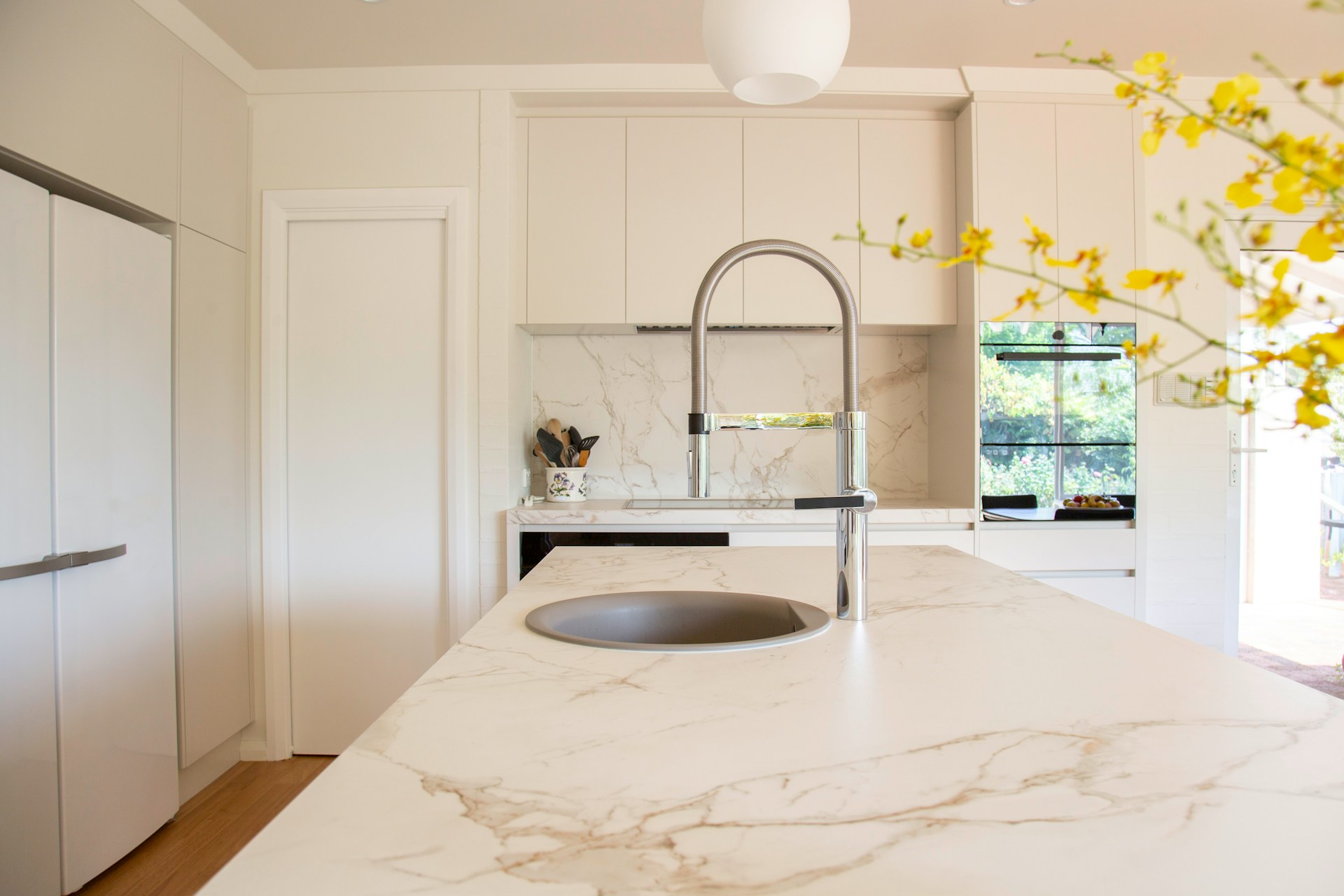
Keep Countertops and Surfaces Clear
Clutter is the enemy of an open, breathable kitchen, no matter how much natural light or clever paint choices you've made. Countertops packed with appliances, mail, and miscellaneous items instantly shrink the perceived size of a room.
Try storing small appliances like toasters or coffee makers in a pantry or cabinet when they're not in use. Even removing a handful of items from the counter can make a noticeable difference in how open the kitchen feels.
Cooks who use their kitchen daily might worry this creates extra work, but a simple system helps. Designate one or two appliances as permanent counter residents and store the rest, so your workflow stays efficient without sacrificing openness.
Add a Ceiling Fan Depending on the Layout
Airflow plays a bigger role in how a kitchen feels than most homeowners realize. A stuffy, stagnant room feels smaller and heavier no matter how light the paint color is, so ventilation deserves real consideration.
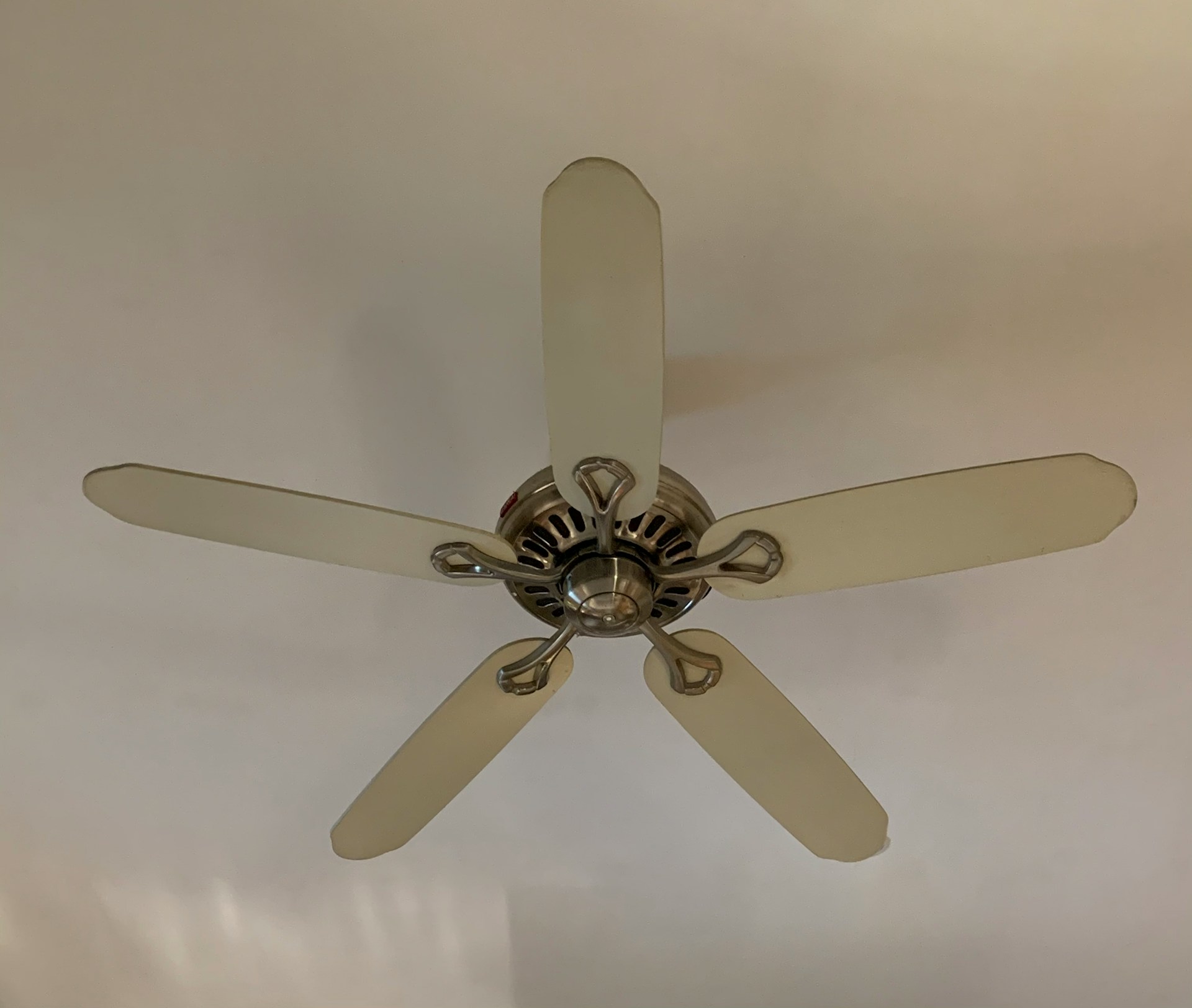
If your open concept kitchen has enough ceiling height and isn't already crowded with pendant lighting, installing large ceiling fans (or not too large, depending on the kitchen’s size), can make a real difference. It keeps air moving, helps dissipate cooking heat, and adds a subtle sense of motion to the room.
Not every layout works well with one, though. Kitchens with low ceilings or an island directly beneath the fan's path may feel cramped rather than refreshed, so measure carefully before installing one.
For kitchens where a traditional fan doesn't fit, a low profile or flush mount version can offer the same airflow benefits without taking up as much visual space. Some homeowners even choose fans with integrated lighting to combine two functions in one fixture.
Use Open Shelving Strategically
Open shelving has become a popular way to create a lighter feel in kitchens, but it only works when it's used thoughtfully. Overloaded shelves can create the same cluttered feeling that closed cabinets sometimes hide.
Choose a few shelves near the cooking area and style them with items you actually use, like everyday dishware or a small collection of glass jars. Leave breathing room between objects instead of packing shelves edge to edge.
This approach gives the eye somewhere to rest while still offering practical storage. It also adds a layer of warmth and personality that an entirely closed off kitchen sometimes lacks.
Bring in Greenery for a Fresh, Organic Touch
A few well placed plants can soften the hard edges of an open kitchen and add a sense of life to the space. Herbs on a windowsill or a small potted plant near the sink both work well.
Greenery doesn't just look nice, it also reinforces the connection between the kitchen and fresh, natural elements, which pairs beautifully with the light and airy aesthetic you're working toward throughout the room.
Choose low maintenance plants if you're not confident in your gardening skills. Pothos, snake plants, and rosemary are forgiving options that still bring color and texture without demanding constant attention.
Bringing It All Together
Creating a kitchen you actually want to cook in isn't about following every design trend at once. It's about choosing a handful of changes, like lighter colors, better airflow, and clearer counters, that work together toward the same goal.
Start small if you need to. Even one or two updates, like adding a ceiling fan or clearing your countertops, can shift how the entire room feels and make your kitchen a space you look forward to spending time in.