


Cooking is an activity that fills the house with flavor, but it also fills the air with steam, smoke, and tiny particles. From frying and sautéing to slow-simmering and baking, every technique contributes to a mix of moisture, odors, grease, and airborne particulates that affect comfort, breathing, and how a meal ultimately tastes. Indoor air quality in the kitchen matters for the people who live there and for how long cooking odors linger in cabinets and fabrics.
There are many ways to manage kitchen air, from simple habits to mechanical solutions. For reference on technologies that can help reduce airborne particles and odors, many cooks look at options like an air purifier for your home. The rest of this article breaks down what typically goes into kitchen air, practical fixes that fit a home cook lifestyle, and everyday routines that make a noticeable difference.
Why Kitchen Air Quality Matters
Good kitchen air matters for immediate comfort and long term health. Short term, strong smoke or lingering oil vapors can irritate eyes and throats, make food taste off, and force you to pause or open windows in the middle of a recipe. Over time, repeated exposure to cooking fumes and grease particles can contribute to lingering smells and build-up on surfaces.
We think of the kitchen as both a work area and a social space. When air is clear, people enjoy meals more, cleanup is easier, and the risk of setting off smoke alarms unnecessarily is reduced. Healthy air also helps those with allergies or asthma feel safer around strong aromas or pet dander that can circulate during meal prep.
Common Kitchen Pollutants And Where They Come From
Understanding common pollutants helps you choose the right remedy.
● Particulate matter: Tiny droplets and particles produced by frying, grilling, or searing. These are the visible smoke and the invisible fine particles that can travel into the rest of the home.
● Volatile organic compounds, or VOCs: Gases released by oils at high heat, certain nonstick coatings when overheated, and some cooking sprays. They contribute to odors and can irritate sensitive airways.
● Grease and aerosols: Oil and fat can form films on walls, cabinets, and range hood filters, attracting dust.
● Moisture: Boiling, steaming, and braising add humidity, which can encourage mold and mildew in tight spaces.
● Odors: Aromatic compounds bind to soft surfaces and fabrics, making smells linger long after the meal is finished.
A simple definition may help. A range hood is a kitchen ventilation device that removes combustion byproducts, steam, airborne grease, and odors from the cooktop area, helping maintain clearer air while you cook.
Practical Ventilation Solutions For Home Cooks
Ventilation is the most direct way to remove pollutants at the source. Consider these practical approaches, which work together rather than in isolation.
● Use your range hood properly
Action: Turn it on before you start cooking and keep it running a few minutes after you finish.
Result: More smoke, steam, and grease are captured before they spread.
Mistake avoided: Waiting until smoke appears, which lets pollutants disperse into the room.
● Choose the right hood configuration
Requirement: A hood that vents outdoors or uses a high-quality capture system.
Benefit: Effective transfer of contaminants outside the home.
Risk of skipping: Recirculating without adequate filtration leaves more particles in the air.
● Maximize cross-ventilation
Action: Open a window or door opposite the kitchen while using the exhaust fan.
Result: Fresh air movement that reduces lingering smells and humidity.
Mistake avoided: Relying solely on a single exhaust point, which can create negative pressure and draw air from adjacent rooms.
If structural changes are not possible, portable options can supplement ventilation, especially during heavy smoke events. Combining local exhaust and room-air cleaning delivers the best results.
Managing Odors, Smoke, And Particulates While Cooking
A few targeted practices keep the atmosphere pleasant and cooking straightforward.
● Control heat to reduce smoke
Action: Start at medium heat and only increase when needed.
Result: Less oil smoking and fewer charred particles.
Mistake avoided: Using max heat out of habit, which produces more smoke and VOCs.
● Use lids and splatter guards
Action: Cover pans during frying and simmering when appropriate.
Result: Contained splatter, less airborne oil, and faster heat retention.
Mistake avoided: Leaving pans open and sending grease into the wider kitchen.
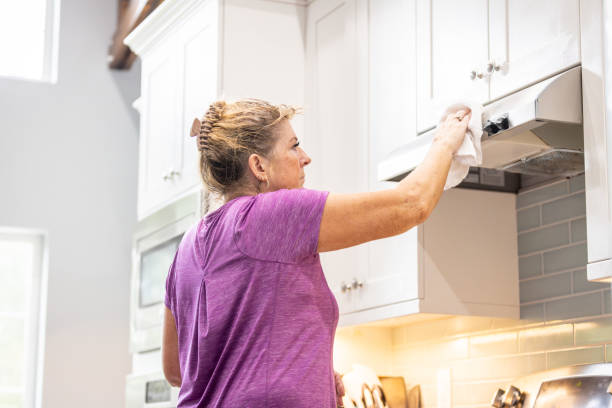
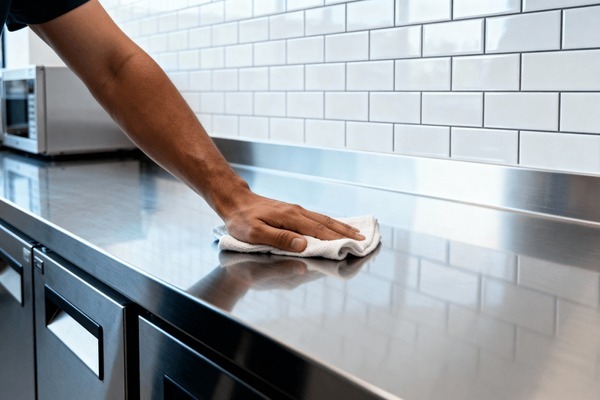
● Short, frequent cleanups
Action: Wipe spills and grease from surfaces and filters soon after cooking.
Result: Less accumulation of residues that release odors over time.
Mistake avoided: Letting organic films build up and trap smells.
When smoke or strong odors do occur, quick escalation helps. Move pans off heat, boost exhaust, open a window, and, if available, run a room air cleaner on a higher setting momentarily to reduce fine particles.
Routine Habits That Keep Kitchen Air Fresh
Small daily habits prevent problems from becoming persistent.
● Maintain filtration and fans
Action: Clean or replace range hood filters and check exhaust fans periodically.
Result: Sustained capture efficiency and reduced grease build-up.
Mistake avoided: Relying on a clogged filter that no longer captures grease or particles.
● Mind pantry and waste management
Action: Store strong-smelling foods in sealed containers and empty trash after major cooking.
Result: Fewer lingering aromas and less attraction for pests.
Mistake avoided: Letting food waste sit and contribute to undesirable kitchen air.
● Use odor-absorbing strategies
Action: Simmer citrus peels with water, or place a bowl of baking soda near waste areas.
Result: Natural neutralization of mild odors without masking agents.
Mistake avoided: Masking smells with aerosol sprays that can add more VOCs to the air.
Establishing these routines is straightforward and pays dividends in comfort, hospitality, and the longevity of your kitchen finishes.
Conclusion
Cooking well means managing what happens after the stove is turned off. Cleaner kitchen air supports better tasting food, a more comfortable environment, and healthier living over time. By combining source control, effective ventilation, consistent cleaning, and sensible habits, home cooks can minimize smoke, grease, and odors without dramatic renovations. Small changes in timing, temperature, and maintenance create a kitchen where flavors shine and the air feels as good as the food tastes.