


How to Make Weeknight Cooking Easier Without Sacrificing Variety
Putting dinner on the table after a long workday shouldn't feel like a second job. For plenty of home cooks, the real hurdle isn't just tracking down a fast recipe. It's finding the energy to plan, prep, cook, and clean up without falling back on the exact same three meals every week. The goal here isn't simply to race through the cooking process, but to build a manageable routine that actually lets you enjoy different dinners throughout the week.
The easiest way to simplify weeknight dinners without losing variety is to prepare flexible ingredients, lean on different cooking methods, and use equipment that cuts down on hands-on time.
A much more sustainable approach to cooking is fixing your overall workflow rather than stripping the flavor and variety out of your food.
Plan Ingredients, Not Entire Meals
Strict meal planning can quickly turn into a chore. When you map out seven unique, highly specific recipes for the week, you're signing up for massive grocery hauls and exhausting prep work every single night. And if you have to stay late at the office on Tuesday? That carefully mapped-out recipe usually goes out the window.
Instead of locking in complete meals, try prepping a few versatile components that you can mix and match. Focus on a core protein that works across several different cuisines, like shredded chicken or seasoned black beans. When you have a bit of free time, roast a large pan of vegetables and cook a batch of brown rice, quinoa, or pasta to keep in the fridge.
Having these basic building blocks ready means assembling dinner takes a fraction of the mental effort. Take a simple batch of roasted bell peppers and onions, for example. On Monday, they work as a quick side dish. On Tuesday, you can scoop them over a hearty grain bowl. By Wednesday, they fold perfectly into a wrap, and on Thursday, they toss right into a quick pasta. This component method removes the stress of daily planning while keeping your plates interesting.
Keep a Flexible Pantry and Refrigerator
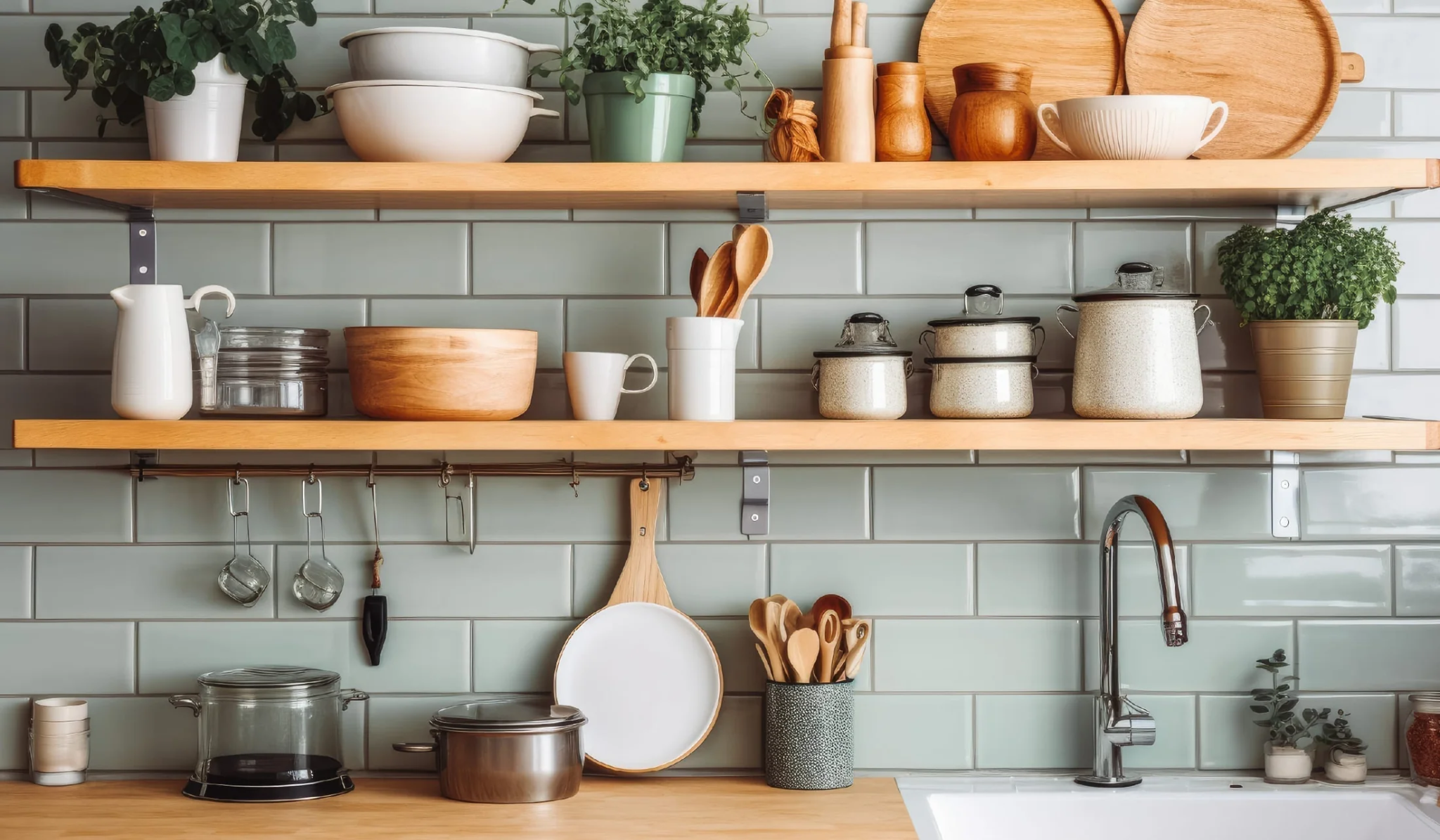
Keeping a stash of versatile, long-lasting ingredients saves you from those frantic 6:00 PM grocery runs. The trick isn't hoarding every possible ingredient for specific recipes. Instead, you want to build a reliable base of items that bounce easily from one type of meal to another.
Try stocking your kitchen by functional categories rather than a rigid shopping list:
- Proteins: Keep eggs, chicken breasts or thighs, firm tofu, and canned beans on hand. They all cook fast and soak up flavors well.
- Staples: Rice, pasta, bread or tortillas, and quick-cooking grains like couscous give you an easy base for almost anything.
- Vegetables: Balance quick-cooking fresh produce (think zucchini, spinach, or asparagus) with reliable frozen veggies and pre-washed salad greens for an instant crunch.
- Flavor builders: Keep a solid rotation of fresh and dried herbs, basic spices, simple vinaigrettes, and condiments like mustard or soy sauce.
Treating your pantry like a toolkit rather than a strict inventory means you always have a way to pull together a quick dinner.
Use Different Cooking Methods to Create Variety
You don't actually need a cart full of new ingredients to keep your dinners interesting. The exact same groceries take on a totally different character depending on how you cook them. Swapping out your cooking method alters the texture and moisture of your food, making familiar staples feel brand new.
Take a basic vegetable like broccoli. Steaming it gives you a bright, clean side dish that pairs well with heavier mains. Toss that same broccoli in olive oil and roast it in a hot oven, and you get deep, caramelized edges. Pan-cooking it with garlic adds a savory, slightly charred finish, while air frying can create a great crispy exterior using very little oil.
The same logic applies to your proteins. A baked chicken breast gives you a great neutral base for creamy sauces, but pan-searing that same cut creates a rich crust that’s perfect for slicing over a salad. Rotating through roasting, air frying, baking, pan-cooking, and steaming multiplies your dinner options without forcing you to buy more groceries.
Let Smaller Appliances Handle Smaller Cooking Jobs
Your main oven doesn't have to handle every single cooking job, especially on a random Tuesday night. Waiting for a full-size oven to preheat just to roast a handful of carrots or bake two fillets of fish feels wildly inefficient. For smaller portions or a quick everyday dinner, a dedicated countertop appliance often makes a lot more sense.
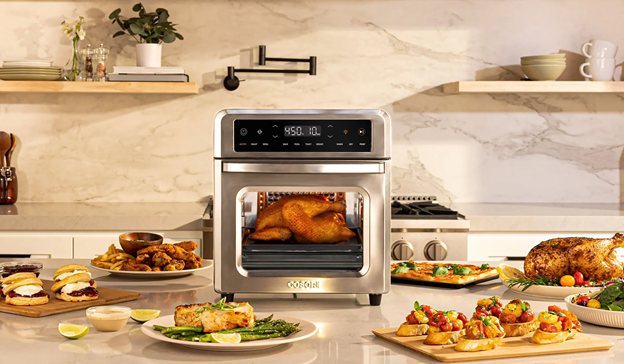
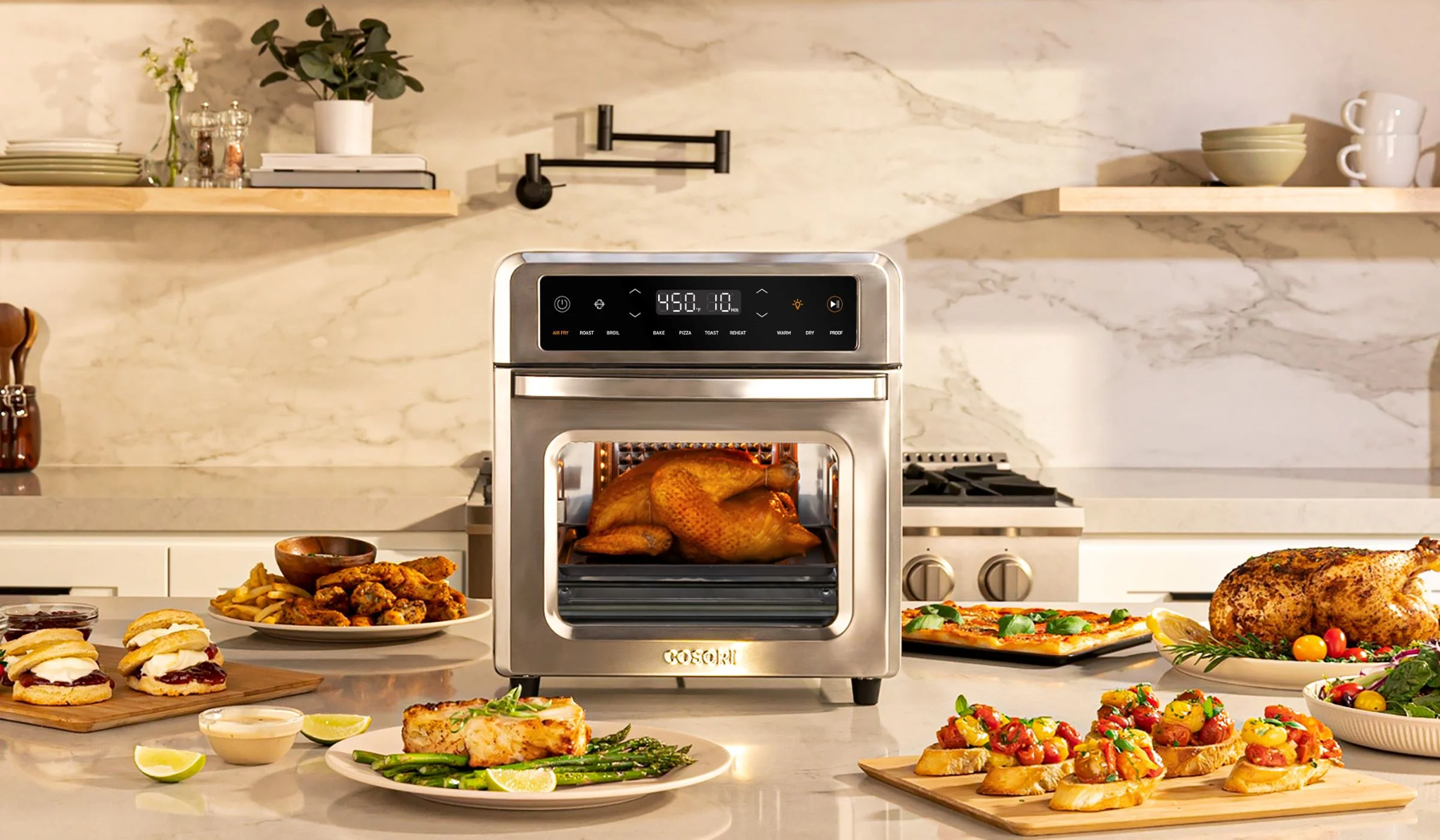
Smaller appliances really shine when it comes to everyday tasks like reheating leftovers, reviving yesterday’s pizza, or baking small batches without heating up the entire kitchen. They are also great for handling side dishes while your main course is busy on the stovetop. If you're looking to knock out several of these jobs with one device, a toaster oven air fryer combo is a practical option, especially when you want the flexibility to bake, toast, roast, and air fry.
Moving these smaller tasks off the stove keeps your kitchen workflow running smoothly. Instead of dodging three different pans, you can let a countertop unit do the work and focus your attention elsewhere.
Reduce Hands-On Cooking Time
A dinner can still be quick even if the actual cooking time takes a while. The real secret to weeknight cooking isn't always how fast the food cooks, but how much babysitting it needs. There is a massive practical difference between a twenty-minute meal that cooks itself in the oven and twenty minutes of standing over a hot stove, stirring a pan so it doesn't burn.
To give yourself a break on weeknights, lean heavily into hands-off cooking. Set timers, take advantage of sheet-pan meals that bake entirely unattended, and use preset cooking programs. While your food cooks independently, you have the freedom to throw together a salad, wipe down the counters, or just relax.
A smart air fryer can also fit well into this kind of routine, especially when you want convenient cooking controls and the flexibility to prepare food while working on the rest of dinner. Minimizing the amount of hands-on monitoring preserves your energy and makes cooking at home a lot more realistic.
Turn Leftovers Into Different Meals
Repurposing leftovers is arguably the best shortcut for keeping your meals interesting. Eating yesterday's dinner doesn't have to mean reheating the exact same plate of food. If you change just one thing—the texture, the sauce, or how you serve it—you can make last night's staples feel like a brand-new meal.
Think about how easily you can reinvent basic components:
- Roasted chicken: Shred it up for fresh tacos, toss it into a crisp romaine salad, layer it into a grain bowl, or mix it with some mayo for a quick sandwich.
- Roasted vegetables: Fold them into a warm bowl of pasta, tuck them into a lunch wrap, bake them into your morning eggs, or use them to bulk up a quinoa bowl.
- Cooked rice: Toss it into a hot skillet for quick fried rice, use it as a base for burrito bowls, or stuff it into baked bell peppers.
Looking at leftovers as pre-cooked ingredients rather than finished meals completely changes the game for quick dinners.
Build Flavor With Sauces, Herbs, and Seasonings
Sauces and spices are the ultimate low-effort tools for variety. A reliable set of flavor components can completely pivot the direction of a simple dinner. When your base is just plain chicken, rice, or roasted veggies, your seasoning alone dictates the vibe of the dish.
You can easily shift a basic meal with quick additions:
- Lemon and fresh herbs give you a bright, herb-forward profile.
- Soy sauce, sesame oil, and ginger bring a savory, aromatic depth.
- Chili powder, cumin, and a squeeze of lime add a punchy, spicier kick for bowls or wraps.
- A spoonful of pesto instantly elevates plain pasta or toasted sandwiches.
Since one base ingredient can carry so many different flavor profiles, you can eat similar foundations all week without ever feeling stuck in a rut.
Make Cleanup Part of the Cooking Strategy
Let's be honest: a recipe isn't actually convenient if it takes twenty minutes to cook but leaves you scrubbing pots for half an hour. A good weeknight cooking habit factors in the whole process, from opening the fridge to washing the last spoon.
To make cleanup easier, actively try to use fewer dishes. Sheet-pan meals and one-pot pastas are weeknight favorites precisely because they cut down on dishwashing. Line your baking trays with parchment paper or foil when it makes sense to skip scrubbing baked-on grease. Try chopping all your ingredients on a single large cutting board, and wash your prep tools while your food is in the oven. Finally, pack away leftovers in convenient, food-safe containers immediately so they're easy to grab the next day. Folding your cleanup into the cooking process means the kitchen is basically done by the time you sit down to eat.
Create a Repeatable Weeknight Cooking Routine
Pulling all these habits together gives you a smooth, repeatable system. Instead of staring at the fridge asking yourself what to make, follow a straightforward workflow:
Step 1 — Check what you already have
Look at the fridge first. See which fresh veggies, proteins, or leftovers need to get used up before they go bad.
Step 2 — Pick a meal format
Decide how you want to eat it. Are you feeling a grain bowl, a wrap, a quick pasta, a massive salad, or a sheet-pan roast?
Step 3 — Choose the right cooking method
Look at your clock, your portion size, and the texture you want. Decide if you need the quick heat of a pan, the hands-off ease of the oven, or the rapid crunch of a countertop appliance.
Step 4 — Add your flavor profile
Grab your sauces, herbs, spices, or a hit of acid like lemon juice to give the meal its identity for the night.
Step 5 — Cook a little extra
Whenever you can, make an extra portion of your protein or carbs so you can effortlessly turn it into something else tomorrow.
Conclusion: Make Weeknight Cooking Easier, Not More Repetitive
Cooking an easier dinner doesn't mean eating the exact same thing on repeat. Real variety comes from smartly changing up your ingredients, your cooking methods, your sauces, and how you plate things. By prepping flexible components and treating your leftovers like a head start for tomorrow's dinner, you get a lot more out of the effort you put in.
The end goal isn't to turn every single weeknight meal into a massive culinary project. It's just to make a satisfying, home-cooked dinner feel totally doable, even on the days when you have almost zero time and energy left.