

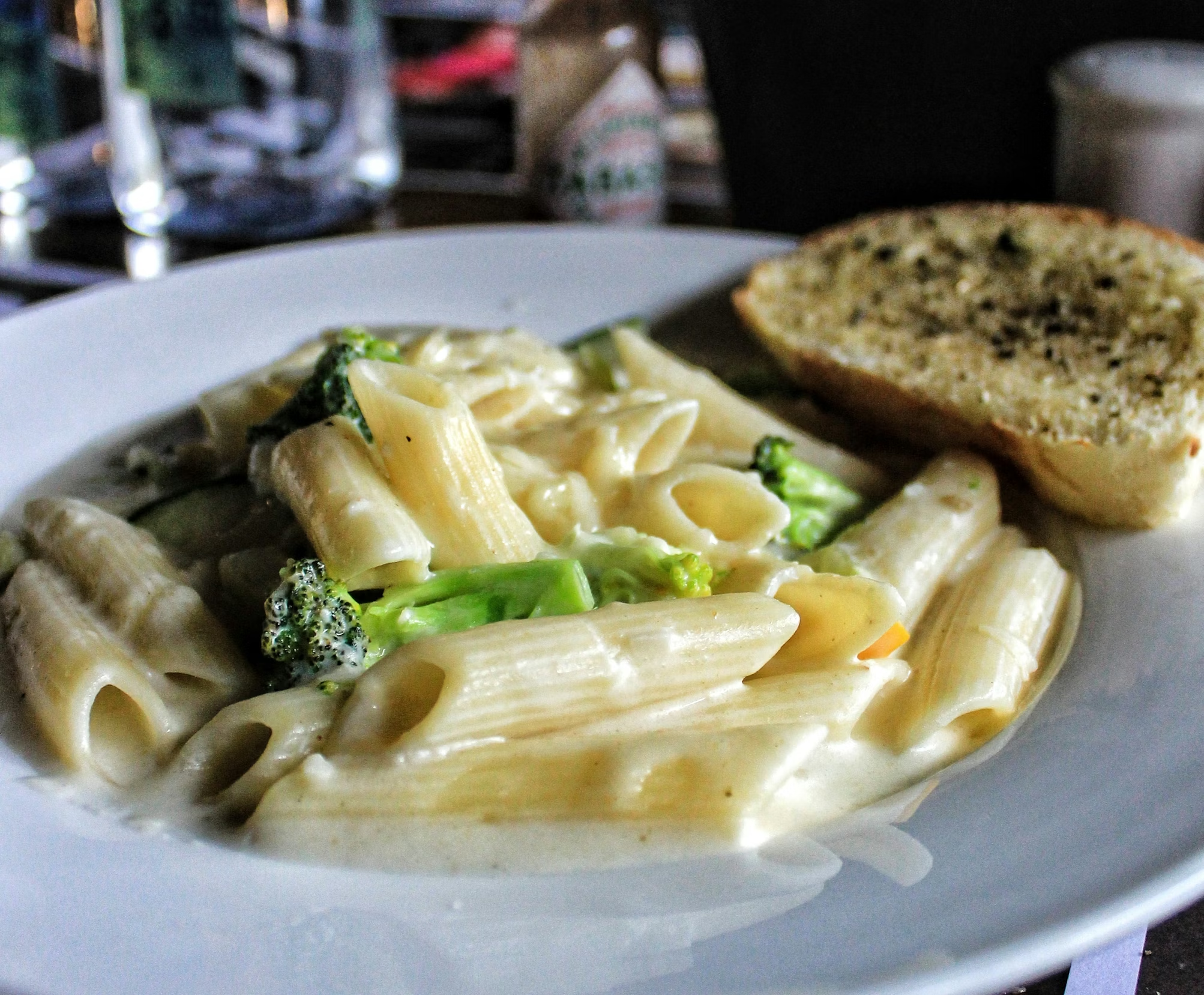

That Creamy Pasta Night That Made Me Rethink Everyday Ingredients
There are meals that you cook without thinking too much about what’s actually going into them. A creamy pasta, a pan of roasted chicken, something quick that works and gets repeated often.
Over time, those meals become defaults.
But when you start paying attention to ingredients, not just flavor, things shift slightly. Not dramatically, not in a restrictive way, but in a more practical sense of what works, what sits well, and what repeats consistently.
This is where everyday cooking starts to overlap with something more structural, how ingredients connect to things like fat intake, cholesterol, and long-term habits. Not in a clinical way, but in how recipes are actually built in a home kitchen.
The Base of Most Weeknight Cooking
A lot of familiar recipes follow the same structure. Fat for cooking, protein as the base, something creamy or rich to bring it together, and a starch to carry everything.
Cream-based sauces, butter-heavy finishes, or even repeated use of processed meats tend to stack up in small ways. Not enough to notice in one meal, but enough to show patterns over time.
In most kitchens, it looks something like this:
- Butter or oil as the starting point
- Red meat or processed protein as the center
- Cream, cheese, or thick sauces to finish
None of these are inherently a problem. The issue is repetition. When the same structure is used across multiple meals each week, it changes the overall balance of what you’re eating.
That’s usually where people start adjusting things, not by removing foods, but by changing how often and how they’re used.
Cholesterol and What Some Food Actually Does
Cholesterol is often treated as a single issue, but it’s more layered than that. The body produces cholesterol naturally, and food influences it in indirect ways.
What matters more than individual ingredients is the pattern of eating. Diets high in saturated fats and processed foods tend to increase LDL cholesterol levels, which are associated with cardiovascular risk. At the same time, not all cholesterol in food directly translates to blood cholesterol levels in a simple way.
There are also persistent myths. One of the most common is that all cholesterol is harmful. In reality, cholesterol is necessary for cell structure and hormone production, and the issue is imbalance, not presence.
Another misconception is that food alone can always correct high cholesterol. In many cases, especially where genetics are involved, diet adjustments help but are not sufficient on their own.
Where Rosuvastatin Comes In
This is where medications like rosuvastatin enter the picture. It’s one of the most commonly prescribed statins used to lower LDL cholesterol and reduce the risk of heart disease.
For many people, it becomes part of a long-term routine alongside dietary changes rather than a replacement for them. But Rosuvastatin also has long-term side effects.
There are real considerations around how it’s used. Most people tolerate statins well, but some experience side effects such as muscle pain, digestive discomfort, or headaches.
Common effects can include nausea, stomach pain, or weakness, while more serious issues like muscle damage or liver problems are rare but monitored.
There’s also been ongoing discussion about how frequent these side effects actually are. Large-scale studies suggest many commonly reported symptoms may not be directly caused by statins, and overall risk remains low compared to the benefits.
Where Food Still Matters
Even when medication is involved, food remains part of the system.
Statins work best when combined with diet and lifestyle changes rather than used in isolation.
In practical terms, that doesn’t mean removing all rich foods. It usually comes down to adjusting frequency and balance. Using less saturated fat in everyday cooking, rotating protein sources, and building meals around simpler components can make a measurable difference over time.
Small Adjustments That Actually Show Up in Cooking
The shift doesn’t usually happen through big changes. It’s smaller adjustments that start to show up across multiple meals.
Using olive oil instead of butter in some recipes changes the overall fat profile without changing the dish completely. Switching between red meat and lighter proteins during the week reduces repetition rather than removing anything entirely.
Even the way sauces are built can shift things. A tomato-based sauce or broth can replace a cream-heavy one without changing the structure of the meal.
These changes are subtle, but they accumulate.
What Happens When You Start Paying Attention
Once you begin noticing how ingredients repeat, patterns become clearer.
Meals that felt normal start to show similarities. The same base ingredients, the same cooking fats, the same finishing elements. It becomes less about individual recipes and more about how they connect across a week.
That’s usually where adjustments feel more natural. Instead of changing a single dish, you start rotating ingredients differently.
A heavier meal followed by something lighter. A cream-based dish balanced with something simpler the next day. It’s not a strict system, but it becomes consistent over time.
Why This Approach Works Better Than Extremes
Strict changes rarely last in everyday cooking. Removing entire categories of food tends to disrupt routines more than it improves them.
A more practical approach is to keep familiar meals but adjust how often and how they’re made.
That might mean using less cream rather than none, or choosing leaner cuts of meat more often without eliminating richer options entirely.
It also keeps cooking enjoyable, which matters if the goal is consistency.
Bringing It Back to the Kitchen
At the end of it, this isn’t about turning cooking into a health system. It’s about understanding how everyday meals are built and making small adjustments where they actually matter.
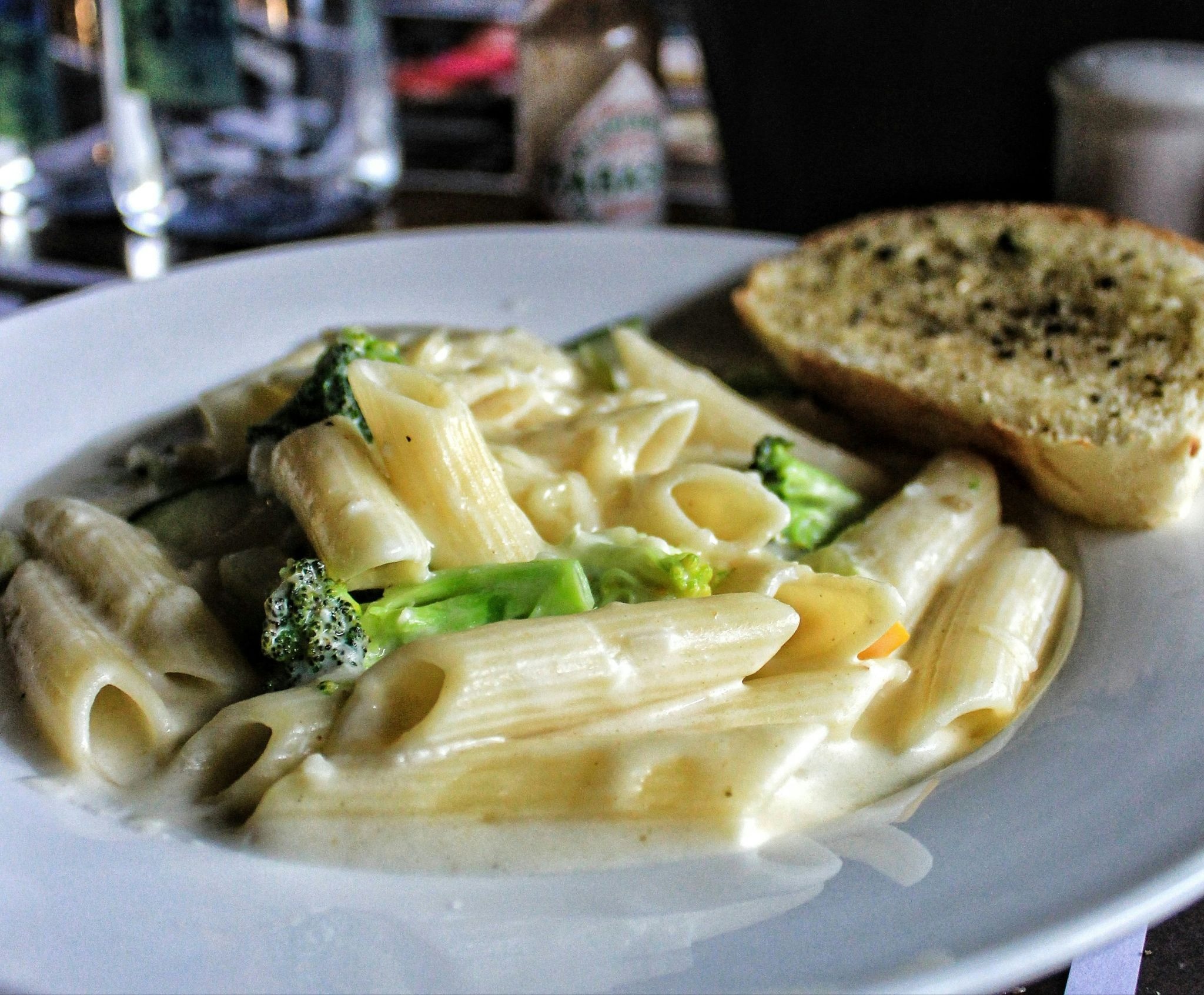
A creamy pasta can still be part of the rotation. A steak dinner doesn’t need to disappear. But when those meals are balanced with lighter options and a bit more awareness of ingredients, the overall pattern changes.
That’s usually where the difference shows up, not in a single meal, but in how everything connects over time.