The Home Chef's Complete Pest Prevention Checklist: Protecting Your Kitchen and Pantry
If you spend your weekends testing new sourdough starters, organizing spice jars by color, or building out a pantry that would make a food blogger proud, you already know your kitchen is more than a place to cook. It is an investment, one built from good flour, quality oils, and the tools that make the process a joy. That investment is exactly what pantry pests are after. For readers of this site who take their ingredients seriously, understanding how to protect them is just as important as knowing how to fold egg whites properly.
Home chefs often assume pest problems happen to other people, the ones with cluttered kitchens or expired cans forgotten in the back of a cabinet. The truth is less forgiving. Even meticulously organized pantries get infested, usually because pests arrive already inside a product from the store. Once they settle in, they spread quickly to grains, cereals, spices, and baking supplies sitting nearby. This checklist walks through the practical steps every home cook should take, broken into four checkpoints that build on each other.
Identify Your Enemy: Know the Most Common Kitchen and Pantry Pests
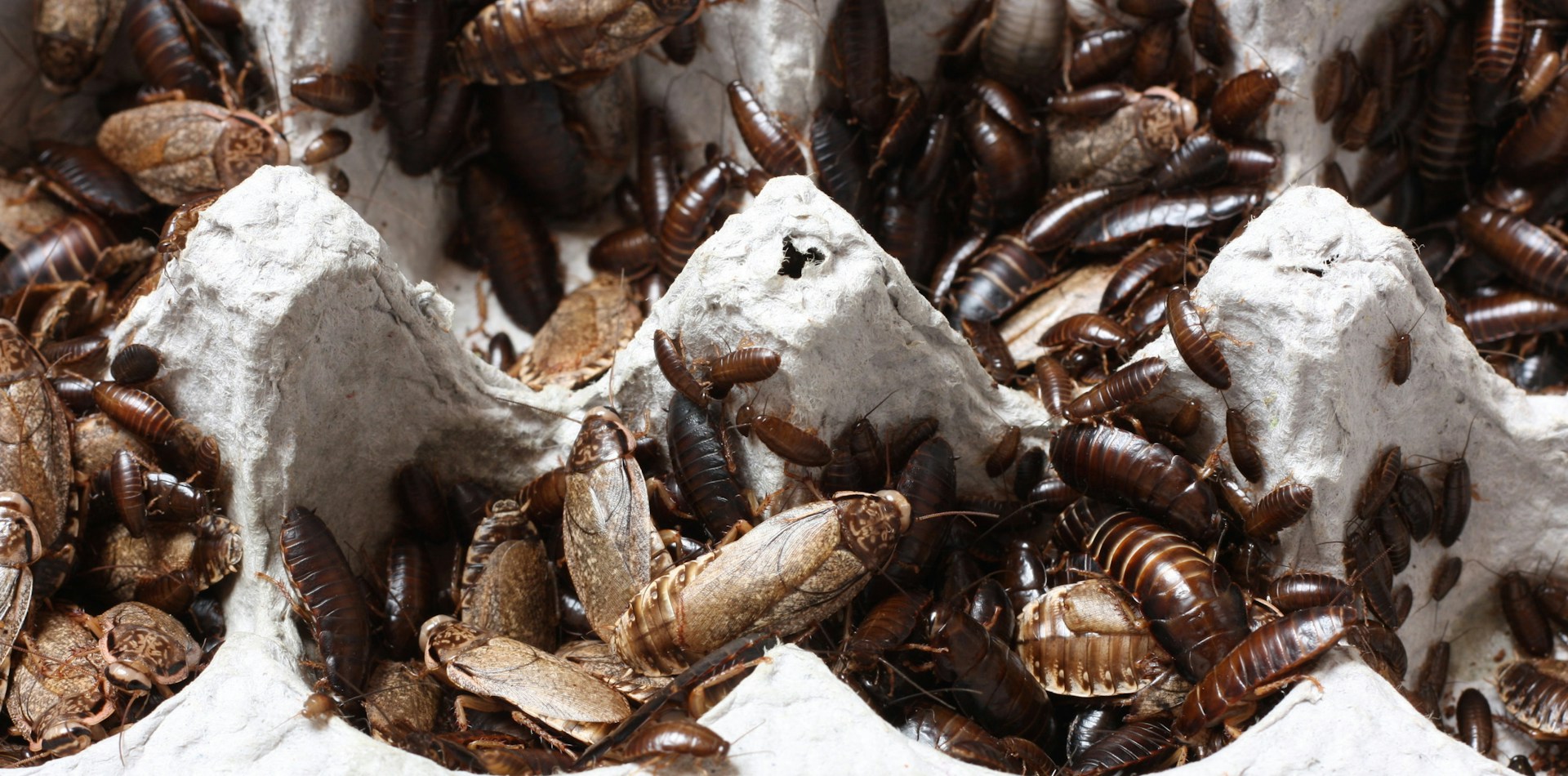
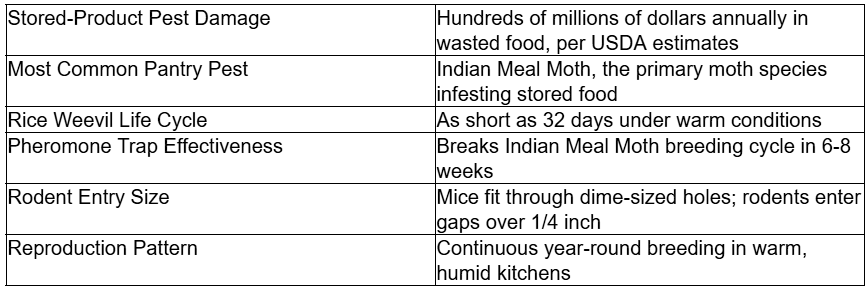
Before you can prevent a problem, you need to know what you are looking for. The Indian meal moth is the most common pantry invader in American kitchens and the only moth species that regularly infests stored food, recognizable by its reddish-brown wingtips and the silky webbing it leaves in flour or cereal. Rice weevils are another frequent offender, small reddish-brown beetles with a distinctive snout that bore directly into grains and can complete their entire life cycle in as little as 32 days when conditions are warm. Cigarette beetles, drugstore beetles, and various flour beetles round out the usual suspects, each with slightly different food preferences but similar habits of hiding in cracks, seams, and the folds of packaging.
Homeowners dealing with humid summers and older housing stock, particularly in dense urban areas, often find these pests establishing themselves faster than expected. If you live somewhere with these conditions, working with a company that offers pest control in Washington DC can help you understand which species are most active in your specific neighborhood and season, since local climate and building age both influence infestation risk. Knowing the enemy is step one, but recognizing the signs, small holes in packaging, tiny cocoons in corners, a faint musty smell in the pantry, is what turns awareness into action.
Secure Your Food: Storage and Inspection Strategies That Work
Storage habits make or break pest prevention, and this is where a simple checklist becomes indispensable. First, inspect every dry good before it enters your pantry, checking bags of flour, rice, and cereal for tiny holes, webbing, or unusual clumping. Second, transfer vulnerable items into airtight glass or hard plastic containers rather than leaving them in their original paper or thin plastic packaging, since pests can chew through those materials with little effort. Third, buy in smaller quantities if your household does not move through bulk grains quickly, since stagnant, long-stored food is far more likely to develop an infestation than a product that turns over regularly. Fourth, rotate older stock to the front and use it first, applying the same first-in-first-out logic that professional kitchens rely on.
According to Home Garden, pantry pests are almost always brought into the home in infested food packages and then spread to other susceptible products, with reproduction occurring continuously year-round under warm, humid kitchen conditions. That single fact reshapes how home chefs should think about shopping. It is not just about what happens after groceries reach your shelves, it is about scrutinizing packaging at the store and again the moment you unpack your bags. Pair that habit with the right tools, since a good set of measuring scoops and sealed storage containers matters as much as the utensils you already trust, the kind covered in our own utensils read the best whisks buyer's guide for everyday kitchen mixing.
Clean and Seal: Environmental Controls to Keep Pests Out
Even with careful storage, pests can still find their way in through gaps in your kitchen's defenses. Start by wiping down shelves monthly with warm soapy water, paying close attention to corners and seams where crumbs and spilled grains collect unnoticed. Next, seal cracks around baseboards, cabinets, and utility lines, since rodents can squeeze through openings as small as a dime and insects need even less space to slip inside. Then check weatherstripping on doors and windows, replacing anything worn or gapped, because these entry points are just as significant as anything happening on the shelf itself. Finally, keep humidity in check with proper ventilation, since damp, warm conditions accelerate pest reproduction and make your kitchen more hospitable to unwanted visitors than it needs to be.
These environmental controls matter because pests are opportunists. A spotless pantry surrounded by cracked caulking or a leaky sink is still vulnerable, just from a different angle. Treating cleaning and sealing as one combined checkpoint, rather than two separate chores, gives you a more complete defense than either practice alone.
Monitor and Act: Early Detection and When to Call a Professional
Prevention only goes so far without ongoing monitoring. Set pheromone traps in pantry corners, which are effective at breaking the Indian meal moth breeding cycle within six to eight weeks when placed correctly. Check stored goods every few weeks for the telltale signs mentioned earlier, and do not hesitate to discard anything questionable rather than risk spreading pests to unaffected items. If you notice repeated activity despite these efforts, or if rodent droppings appear alongside insect issues, it is time to bring in a professional rather than continuing to manage it alone.
A well-stocked pantry is one of the great joys of home cooking, filled with ingredients waiting for their moment in a recipe. Protecting that investment does not require paranoia, just consistent habits built around identification, secure storage, environmental upkeep, and regular monitoring. Treat this checklist the way you would any good recipe, followed step by step, revisited often, and adjusted as your kitchen and its challenges evolve.