


Why Dutch Waffles are Loved Around the World
Few treats are as universally pleasing as the classic dutch waffle. Known locally as "stroopwafels," these thin, caramel-filled waffles have a popularity that extends far beyond the Netherlands. With their unique texture and distinctive taste, Dutch waffles have captivated food lovers from all corners of the globe. The treat's fascinating history and irresistible flavor have established it as a beloved snack in many different cultures.
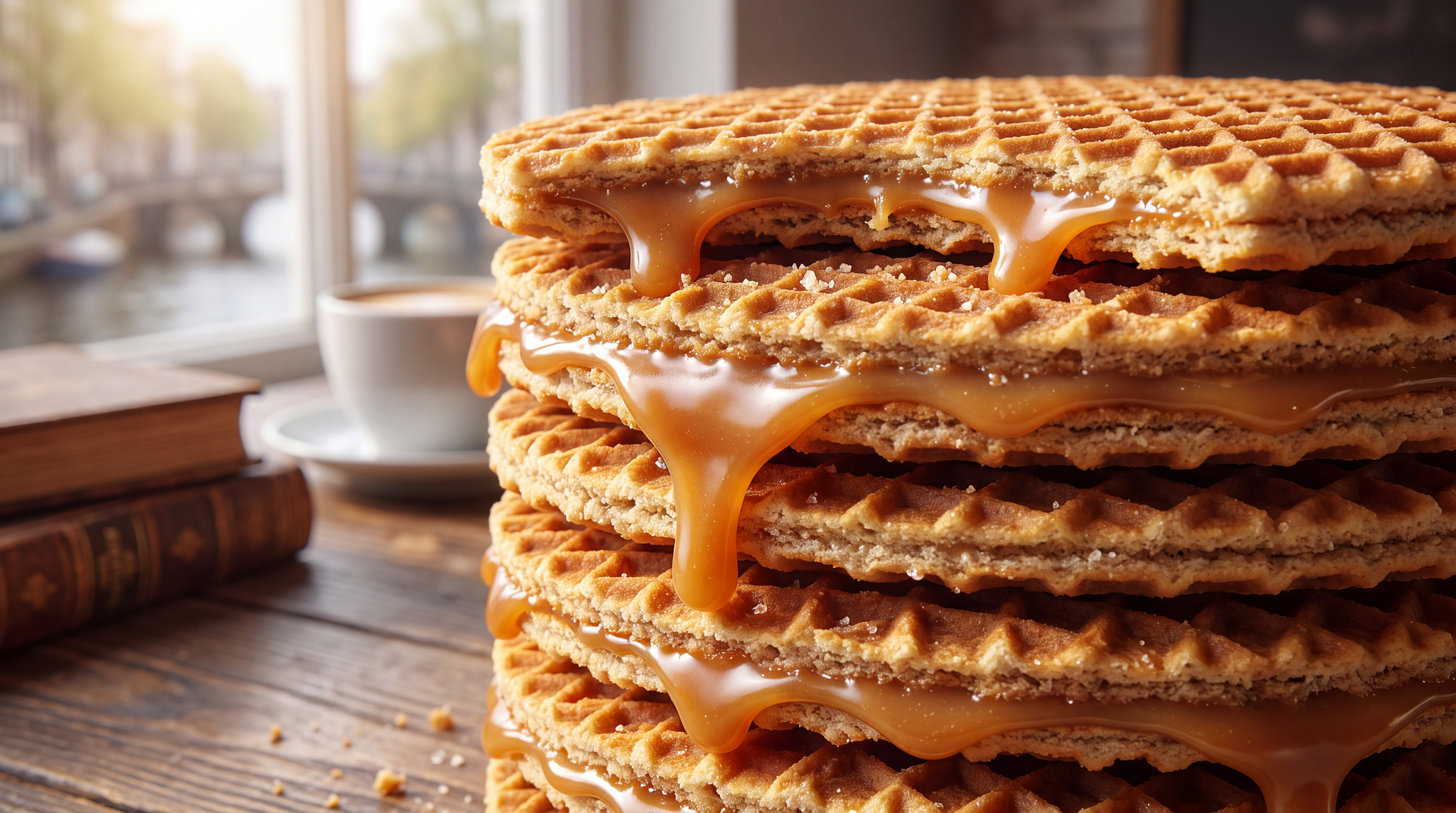
The irresistible origins of Dutch waffles
The humble beginnings of Dutch waffles can be traced back to the late 18th century in Gouda, a city famous for another culinary icon: Gouda cheese. Street bakers created the treat by pressing dough into hot irons, which produced thin, crispy waffles split and filled with syrup. Over time, these local specialties evolved into the stroopwafels we know today. Renowned brands like Daelmans Stroopwafels have helped popularize this classic snack around the world, maintaining the traditional methods while reaching new audiences.
This waffle's journey is a perfect example of how local inventions can achieve global fame. The Dutch diaspora, particularly in the 19th and 20th centuries, introduced stroopwafels to new continents, where they quickly became a staple in bakeries and supermarkets. Today, you can find Dutch waffles in coffee shops, airports, and specialty stores across Europe, North America, and beyond. The combination of chewy, caramel-like filling and toasty waffle makes for a memorable eating experience that people keep coming back to.
The secret of their delightful taste and texture
One reason Dutch waffles are so beloved is their unique balance of flavors and textures. Each bite delivers a satisfying crunch from the waffle exterior, followed by a warm, gooey caramel center. This textural contrast is enhanced when the waffle is placed atop a hot cup of coffee or tea, gently softening the filling. The experience of slightly melted syrup and crisp edges is impossible to replicate with other snacks.
The traditional recipe allows for a beautifully simple ingredient list: flour, butter, brown sugar, eggs, and syrup, resulting in a rich yet nuanced taste. Some versions include spices like cinnamon to add depth. The careful baking process ensures a wafer-thin but surprisingly sturdy structure that holds the syrup without becoming soggy. This meticulous craftsmanship is why many connoisseurs insist on only the most authentic Dutch waffles for the full experience.
Cultural traditions and global influence
Dutch waffles have become more than a snack, they are woven into Dutch social customs and rituals. In the Netherlands, it is common to enjoy a stroopwafel with your morning coffee, afternoon tea, or as a treat on market days. The act of warming the waffle by resting it on a cup is an integral part of the tradition, transforming the snack into a brief moment of relaxation and enjoyment. This simple ritual has caught on worldwide, with people everywhere seeking the authentic Dutch experience in their own homes.
The export of Dutch waffles has had a significant influence on global food culture. Many artisan bakers across the world now experiment with the classic design, creating new fillings and flavors while staying true to the waffle’s roots. Whether enjoyed on the streets of Amsterdam or unwrapped from a package thousands of miles away, Dutch waffles continue to delight people of all ages. Their blend of rich history, tradition, and irresistibly sweet taste ensures that this treat will remain a cherished favorite for generations to come.